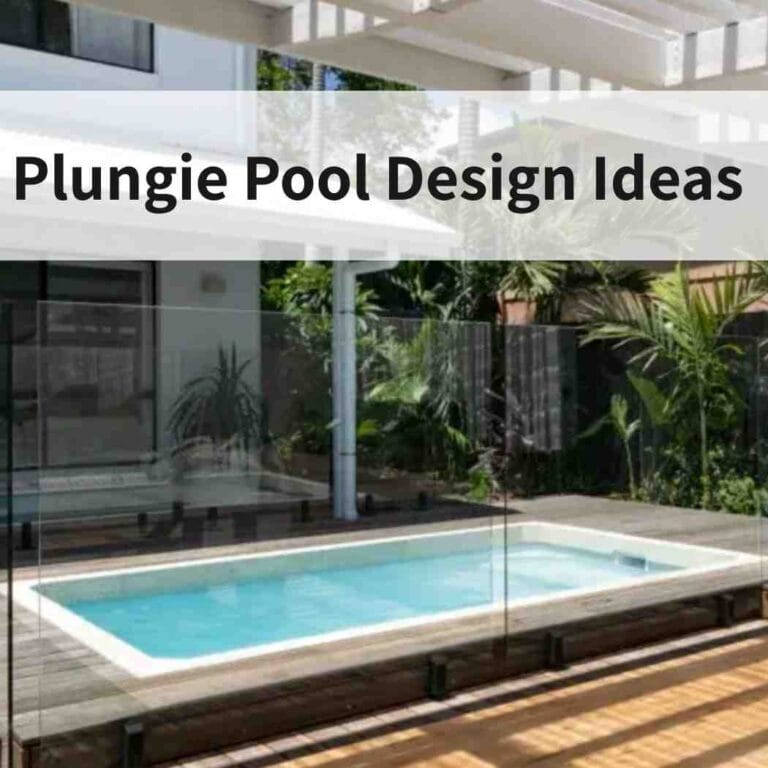
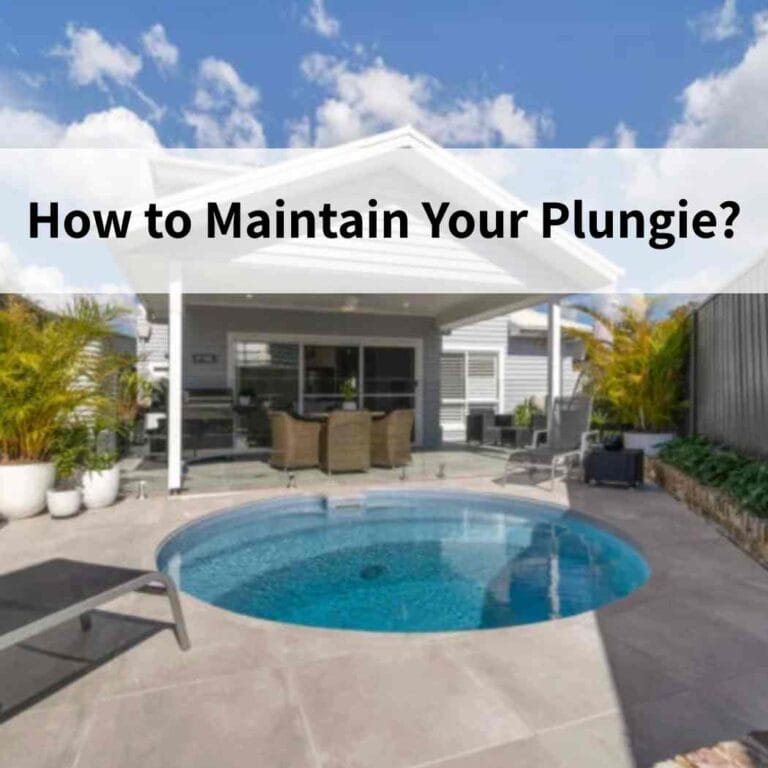
A plunge pool is typically under 6 metres long, making it ideal for small backyards, courtyards, narrow blocks and sloping sites where space is limited. Whether you’re looking to cool off, relax or create an outdoor entertaining area, both fibreglass and precast concrete plunge pools provide practical options for modern Australian homes.
This guide compares the 7 key trade-offs between fibreglass and precast concrete plunge pools, helping you understand the differences in cost, installation, site suitability, maintenance and long-term value so you can choose the right option for your property.
Looking for a Full-Size Family Pool?
If you’re planning a swimming pool 6 metres or longer for family swimming, entertaining or lap swimming, read our complete comparison guide on Fibreglass vs Concrete Pools: Choosing the Best Full-Size Family Pool
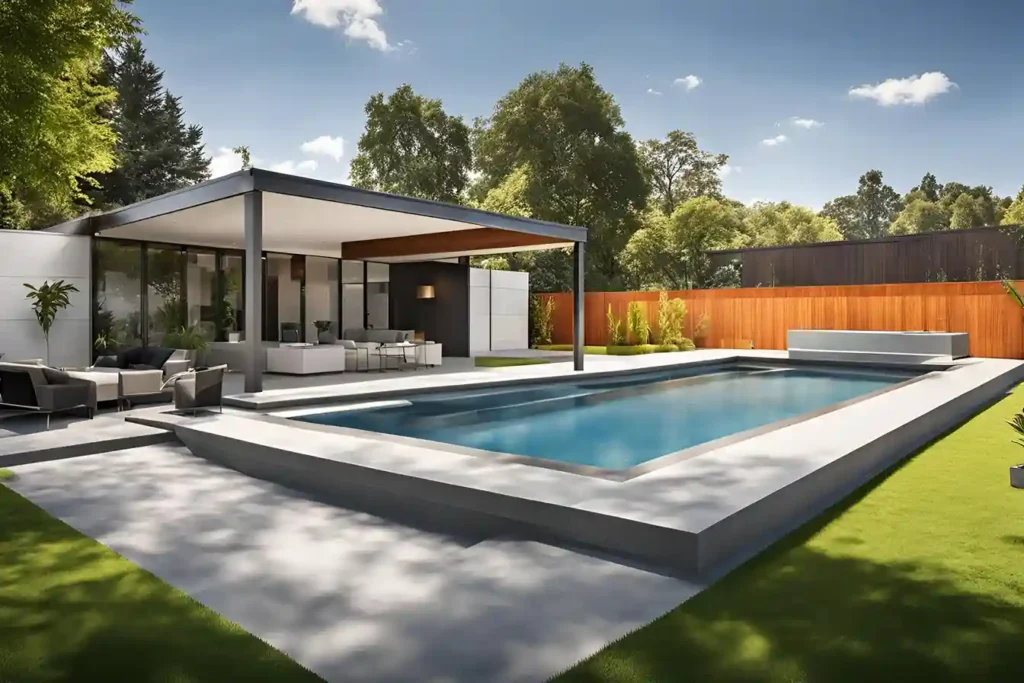
What is a Plunge Pool?
A plunge pool is a compact swimming pool designed for properties where space is limited. Unlike full-size family pools, plunge pools are typically under 6 metres long, making them a practical choice for small backyards, courtyards, narrow blocks and homes built on sloping sites. Most plunge pools range from 3 to 5 metres in length, 2 to 3.5 metres in width, and have a consistent depth of approximately 1.2 to 1.6 metres. While they are smaller than traditional swimming pools, they still provide enough space for cooling off, relaxing, hydrotherapy and casual entertaining.
Both fibreglass and precast concrete plunge pools are manufactured off-site before being delivered to your property, allowing for faster installation than traditional on-site concrete construction. The choice between the two usually comes down to your budget, preferred finish, site conditions and the overall look you want to achieve.
What is a Precast Concrete Plunge Pool?
A precast concrete plunge pool is manufactured in a controlled factory environment before being delivered to your property as a complete, engineered structure. Unlike traditional concrete pools that are built on-site, precast concrete plunge pools are ready for installation when they arrive, helping reduce construction time and minimise disruption.
Once delivered, the pool is lifted into position using a crane and installed onto a prepared foundation. This construction method makes precast concrete plunge pools well suited to a variety of sites, including compact backyards, narrow access blocks and sloping properties where efficient installation is a priority.
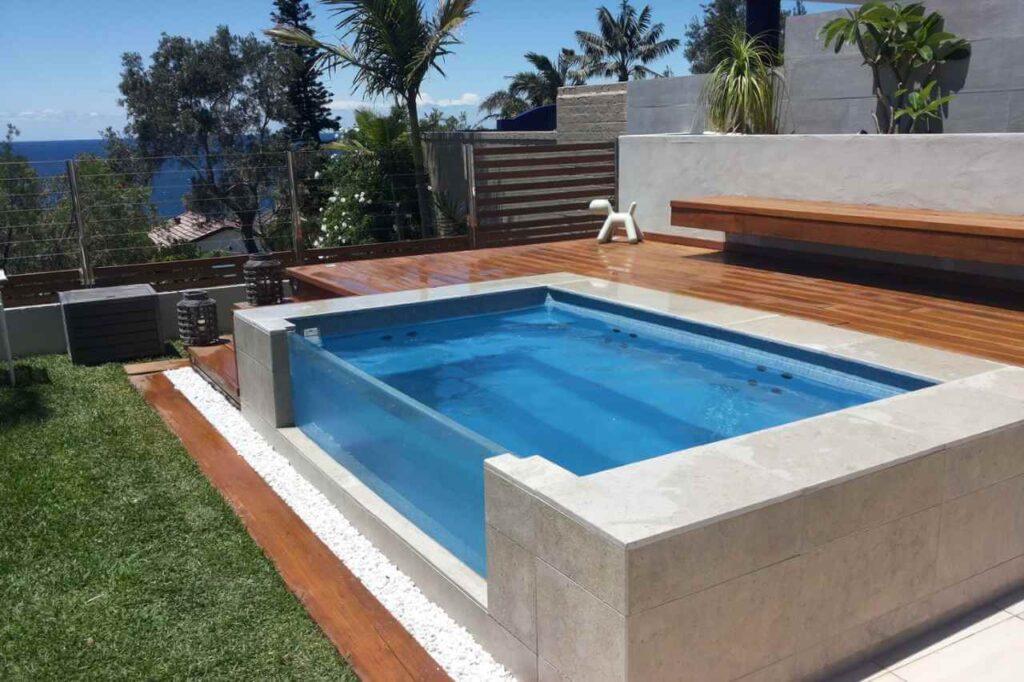
Precast concrete also offers the strength and solid feel associated with concrete construction while maintaining the advantages of factory-controlled manufacturing. Many models can be installed fully in-ground, partially above ground or above ground, providing greater flexibility for challenging sites without the lengthy construction process of traditional on-site concrete pools.
For homeowners seeking a premium plunge pool with modern finishes and efficient installation, precast concrete offers an excellent balance of durability, appearance and long-term performance.
What is a Fibreglass Plunge Pool?
A fibreglass plunge pool is manufactured as a one-piece shell in a controlled factory environment before being transported to your property for installation. The shell is reinforced with layers of fibreglass and finished with a smooth gelcoat surface, creating a durable, low-maintenance pool that’s ready to install once site preparation is complete.
Like precast concrete plunge pools, fibreglass plunge pools are delivered by truck and lifted into position using a crane. Because the pool arrives as a completed shell, installation is generally faster than traditional on-site pool construction, with less disruption to your property.
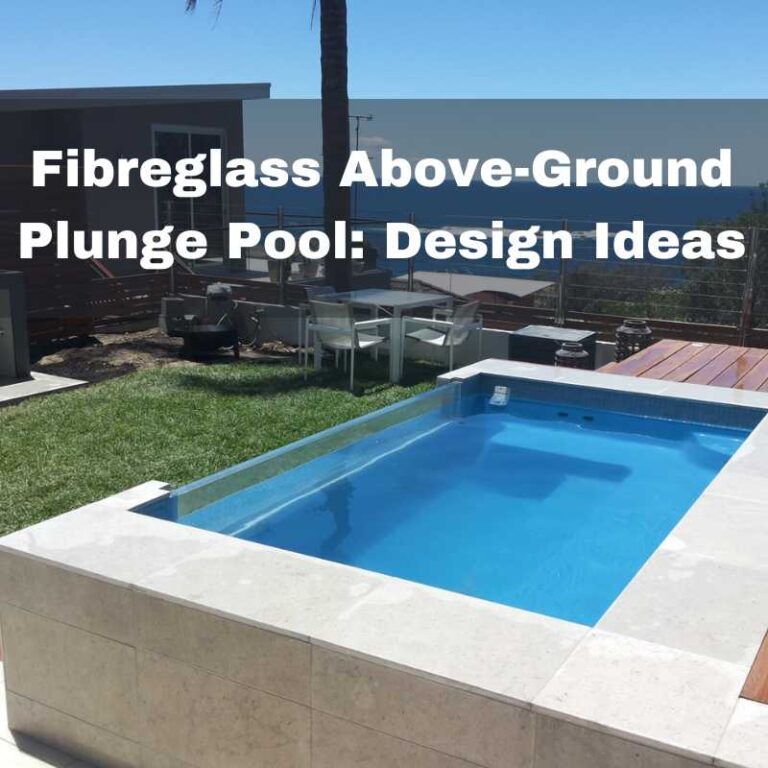
Fibreglass plunge pools are available in a range of pre-designed sizes, shapes and colours to suit compact outdoor spaces. Many models can be installed fully in-ground, partially above ground or above ground, making them suitable for flat blocks, sloping sites and modern backyard designs.
For homeowners looking for a practical, low-maintenance plunge pool with a streamlined installation process, fibreglass offers a durable solution that suits a wide variety of residential properties.
The 7 Key Trade-Offs
1. Upfront Cost vs Long-Term Value
The upfront cost of a plunge pool is only one part of the investment. It’s also important to consider installation, ongoing maintenance and the long-term value each construction method provides.
| Pool Type | Typical Installed Price* | Best Suited For |
|---|---|---|
| Fibreglass Plunge Pool | $25,000–$45,000 | Homeowners looking for a cost-effective, low-maintenance solution with faster installation. |
| Precast Concrete Plunge Pool | $40,000–$70,000+ | Homeowners seeking a premium architectural finish, greater design flexibility and above-ground installation options. |
*Indicative pricing only. Final costs vary depending on pool size, site access, crane requirements, excavation, engineering, approvals and optional upgrades.
Fibreglass plunge pools generally have a lower upfront cost because the shell is factory manufactured and available in standard sizes. Installation is typically straightforward, helping reduce labour and construction time.
Precast concrete plunge pools usually require a higher initial investment due to their engineered construction, heavier lifting requirements and premium finishes. However, they offer a solid architectural appearance and are well suited to projects where aesthetics or challenging site conditions are a priority.
2. Installation Speed
Both fibreglass and precast concrete plunge pools are manufactured off-site before arriving at your property, allowing for significantly faster installation than traditional on-site concrete construction. Once site preparation is complete, both pool types are delivered by truck and lifted into position using a crane.
| Pool Type | Typical Installation Time* | Installation Process |
|---|---|---|
| Fibreglass Plunge Pool | 1–2 weeks | Site preparation, crane installation, plumbing, electrical work and commissioning. |
| Precast Concrete Plunge Pool | 1–3 weeks | Site preparation, engineered foundation, crane installation, plumbing, electrical work and commissioning. |
*Timeframes are indicative and may vary depending on site conditions, engineering requirements, approvals, weather and equipment availability.
While installation times are similar, the overall project timeline for either pool may be influenced by factors such as council approvals, excavation, crane access, soil conditions and utility connections. Planning these stages before installation helps minimise delays and ensures the project progresses efficiently.
3. Size Limits & Crane Access
Both fibreglass and precast concrete plunge pools are manufactured off-site and delivered to your property as complete structures. Because of this, transport access and crane placement are important considerations when planning your installation.
Most plunge pools are under 6 metres long and up to approximately 3.5 metres wide, allowing them to be transported by road and installed on a wide range of residential properties. However, every site is different, and factors such as narrow streets, restricted access, overhead powerlines, neighbouring buildings and mature trees can influence the installation method.
In many cases, plunge pools are lifted into position using a mobile crane, allowing them to be installed over homes, garages or boundary fences where direct access isn’t available. During the planning stage, your builder will assess crane positioning, lifting clearances and site access to determine the safest and most efficient installation approach.
While both pool types share similar transport requirements, precast concrete plunge pools are significantly heavier than fibreglass shells and may require larger lifting equipment depending on the pool size and site conditions.
4. Sloping Blocks & Above-Ground Installation
Sloping sites, elevated homes and split-level blocks often require a different installation approach than level properties. Fortunately, both fibreglass and precast concrete plunge pools can be installed on sloping sites with the right engineering and site preparation.
Fibreglass plunge pools can be installed fully in-ground, partially above ground or above ground when supported by engineered foundations, retaining walls or structural surrounds. This makes them a practical option for many sloping properties while still offering a streamlined installation process.
Precast concrete plunge pools are also well suited to sloping blocks. Their rigid engineered structure makes them an excellent choice for partially or fully above-ground installations, particularly where the pool is designed as a feature of the outdoor living area. They can be integrated with decking, retaining walls and landscaping to create a seamless architectural finish.
The most suitable option depends on your property’s slope, soil conditions, access and overall design goals. A professional site assessment will determine the best installation method before construction begins.
5. Maintenance & Durability
Both fibreglass and precast concrete plunge pools are designed to provide decades of enjoyment when installed correctly and maintained properly. The main difference lies in the type of surface finish and the level of ongoing maintenance required.
Fibreglass plunge pools feature a smooth, non-porous gelcoat surface that naturally resists algae growth, making them easier to clean and helping reduce the amount of chemicals needed to maintain water quality. Regular water testing, filtration and routine servicing are still essential, but ongoing maintenance is generally straightforward.
Precast concrete plunge pools are built with a solid engineered concrete structure and are available with a range of interior finishes, including smooth rendered surfaces, premium coatings or tiled finishes. Maintenance requirements will vary depending on the selected finish, but like any concrete pool, regular cleaning and water balancing are important to keep the pool looking and performing at its best over time.
Regardless of the construction method, following the manufacturer’s maintenance recommendations and maintaining correct water chemistry are the keys to maximising the lifespan of your plunge pool.
6. Appearance & Finish Options
The appearance of your plunge pool plays an important role in how it complements your home and outdoor living area. Both fibreglass and precast concrete plunge pools offer attractive finishes, but they achieve a different overall look.
Fibreglass plunge pools feature a smooth gelcoat surface available in a range of modern colours and contemporary designs. Their clean lines and consistent finish make them a popular choice for modern homes, particularly when paired with timber decking, paving or landscaped gardens.
Precast concrete plunge pools provide a more architectural appearance and can be finished with premium interior coatings, render, tiles or exposed concrete surrounds to suit different design styles. Their solid construction also makes them well suited to seamless integration with retaining walls, raised entertaining areas and custom landscaping.
The best choice depends on the style of your home and the overall outdoor space you’re looking to create. While fibreglass delivers a clean, low-maintenance finish, precast concrete offers greater flexibility for homeowners seeking a premium architectural aesthetic.
7. Long-Term Property Value
A well-designed plunge pool can enhance both the enjoyment of your home and its overall appeal to future buyers. Whether you choose fibreglass or precast concrete, the quality of the installation, landscaping and integration with your outdoor living area will have the greatest impact on long-term value.
Fibreglass plunge pools are often chosen for their affordability, low maintenance and modern appearance, making them an attractive option for homeowners looking to improve their outdoor space without the complexity of a larger pool project.
Precast concrete plunge pools offer a premium architectural finish that can become a standout feature of the property. When thoughtfully integrated with decking, retaining walls, outdoor kitchens or landscaped entertaining areas, they can create a high-end outdoor environment that appeals to buyers seeking a distinctive home.
Rather than focusing solely on resale, homeowners should consider which pool best complements their property, lifestyle and long-term plans. A plunge pool that suits the home and is professionally installed is more likely to deliver lasting value than one chosen purely on initial cost.
Which Plunge Pool Fits Your Property?
| If your property has… | Fibreglass Plunge Pool | Precast Concrete Plunge Pool |
|---|---|---|
| Tight budget | ✓✓✓ | ✓✓ |
| Low-maintenance priority | ✓✓✓ | ✓✓ |
| Modern suburban backyard | ✓✓✓ | ✓✓✓ |
| Small courtyard | ✓✓✓ | ✓✓✓ |
| Narrow access requiring a crane | ✓✓ | ✓✓ |
| Sloping block | ✓✓ | ✓✓✓ |
| Partially above-ground installation | ✓✓ | ✓✓✓ |
| Premium architectural design | ✓✓ | ✓✓✓ |
| Faster installation | ✓✓✓ | ✓✓✓ |
Every property is different. A site assessment is the best way to determine which construction method is most suitable for your home.
Pre-Installation Checklist for Small Sites
Before choosing between a fibreglass or precast concrete plunge pool, it’s important to assess the conditions of your property. Identifying potential challenges early helps minimise delays, avoid unexpected costs and ensures the most suitable installation method is selected.
Before construction begins, consider the following:
-
Site access: Confirm there is enough space for excavation equipment, delivery vehicles and crane access.
-
Overhead powerlines and surrounding structures: Trees, neighbouring buildings and powerlines may affect crane positioning and lifting operations.
-
Soil conditions and drainage: Soil type, groundwater levels and drainage requirements influence the pool foundation and overall installation.
-
Property slope: Sloping sites may require engineered foundations, retaining walls or partially above-ground installation.
-
Council approvals and boundary setbacks: Ensure the proposed pool location complies with local building regulations, setback requirements and Queensland pool safety legislation.
-
Underground services: Locate stormwater pipes, sewer lines, water mains and electrical services before excavation begins.
-
Equipment location: Plan adequate space for filtration equipment, pumps, heating systems and future maintenance access.
-
Pool fencing and compliance: Allow for compliant pool barriers, gates and safe access in accordance with current regulations.
-
Project budget: Confirm your budget includes excavation, crane hire, engineering, approvals, electrical work, plumbing, landscaping and any optional upgrades.
Completing these checks before selecting your plunge pool helps create a smoother installation process and reduces the likelihood of unexpected issues once construction begins.
Book Your Site CheckConclusion
Both fibreglass and precast concrete plunge pools offer practical solutions for homeowners looking to maximise outdoor living without the space requirements of a full-size swimming pool. The right choice depends on your property’s layout, budget, design preferences and long-term goals.
Fibreglass plunge pools are ideal for homeowners seeking a cost-effective, low-maintenance solution with a streamlined installation process. Precast concrete plunge pools offer a premium architectural finish and greater flexibility for projects where above-ground installations, retaining walls or integrated outdoor living spaces are a priority.
By understanding the differences between each construction method, you can choose the plunge pool that best suits your home, lifestyle and future plans.
Ready to Build Your Plunge Pool?
Choosing the right plunge pool is only the first step. A successful installation begins with understanding your property’s access, slope, soil conditions and overall project requirements.
At Plunge Pools Sunshine Coast, we specialise in both fibreglass and precast concrete plunge pool installations across the Sunshine Coast. From the initial site assessment through to approvals, excavation, installation and final handover, our experienced team manages every stage of the process to ensure your plunge pool is built to suit your property and lifestyle.
Contact our team today to arrange a site assessment and receive expert advice on the right plunge pool for your property.
Frequently Asked Questions
Do I need council approval before installing a plunge pool on the Sunshine Coast?
Yes. Most plunge pool installations require building approval and must comply with Queensland pool safety legislation and Sunshine Coast Council requirements. Depending on your property, additional assessments may be required for setbacks, easements, overland flow paths or other site-specific conditions. Your pool builder can help manage the approval process before construction begins.
Can fibreglass and precast concrete plunge pools be installed above ground?
Yes. Both fibreglass and precast concrete plunge pools can be installed fully in-ground, partially above ground or above ground when supported by appropriate engineering and foundations. The most suitable installation method depends on your property’s slope, soil conditions and overall landscape design.
Are there size limits for plunge pools due to transport or crane access?
Yes. Because both fibreglass and precast concrete plunge pools are delivered as complete structures, transport and crane access are important considerations. Most plunge pools are designed to be transported by road, but site access, overhead powerlines, mature trees and neighbouring buildings may influence the installation method. A site assessment will identify any access requirements before installation.
Which plunge pool is better for a sloping block?
Both fibreglass and precast concrete plunge pools can be installed on sloping sites with the appropriate engineering and site preparation. Fibreglass provides a practical solution for many sloping properties, while precast concrete is often preferred for projects involving raised installations, retaining walls or premium architectural designs. The best option depends on your property’s layout and construction requirements.
Is a fibreglass or precast concrete plunge pool easier to maintain?
Fibreglass plunge pools generally require less ongoing maintenance because their smooth gelcoat surface helps resist algae growth and is easy to clean. Precast concrete plunge pools may require additional care depending on the selected interior finish, although regular water testing, filtration and servicing are essential for both construction methods.
How long does it take to install a plunge pool?
Because both fibreglass and precast concrete plunge pools are manufactured off-site, installation is typically much faster than traditional on-site concrete construction. Once site preparation is complete, most plunge pool installations can be completed within one to three weeks, although the overall project timeline may vary depending on approvals, excavation, engineering, weather and site access.
Which plunge pool is better for small backyards?
Both fibreglass and precast concrete plunge pools are designed for compact outdoor spaces. Fibreglass is often chosen for its affordability, low maintenance and streamlined installation, while precast concrete is well suited to homeowners seeking a premium architectural finish or greater flexibility for sloping and above-ground installations. The best choice depends on your property’s layout, budget and design goals.
Do fibreglass and precast concrete plunge pools come with warranties?
Yes. Both fibreglass and precast concrete plunge pools are typically supplied with structural warranties from the manufacturer, while installation workmanship is covered separately by your pool builder in accordance with applicable Queensland legislation. Warranty terms vary between manufacturers and products, so it’s important to review the documentation provided before proceeding with your installation.