At Plunge Pools Sunshine Coast, we design and install precast concrete plungie pools for local homeowners who want strong, low-maintenance pools that suit their backyard. We understand Sunshine Coast sites, from flat suburban blocks to sloping coastal properties. Our team focuses on designs that are practical, compliant, and built to last.
In this guide, you will learn the best plungie pool design ideas, including layouts, styles, sizes, and costs. We will also show you how to choose the right pool design for your space, avoid common mistakes, and plan your pool properly from the start.
What Is a Plungie Pool?
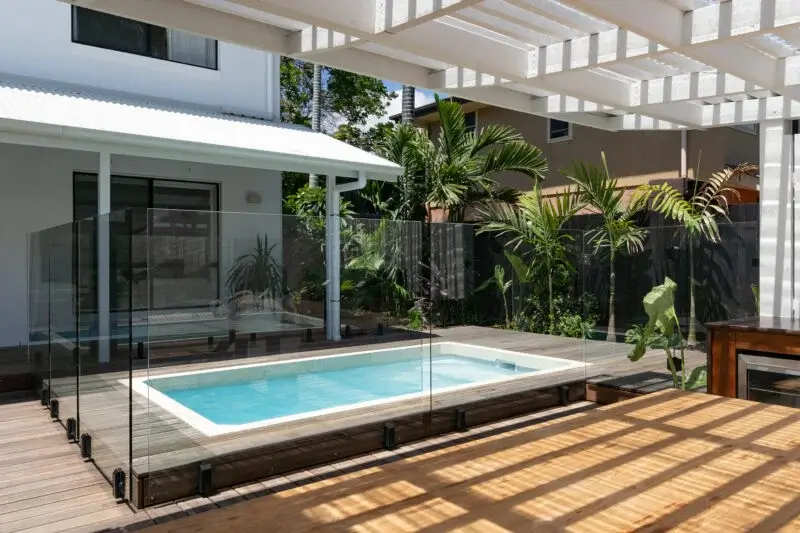
A plungie pool is a small precast concrete pool that is built off-site and delivered in one piece. It is designed for cooling, relaxing, and low maintenance.
How it works
- The pool shell is pre-built
- It is delivered and craned into place
- It sits on a prepared base
- It connects to a filtration system and a pump
Why design matters
Good design affects:
- How the pool looks
- How easy it is to install
- Long-term costs (heating and maintenance)
What Are the Best Plungie Pool Layouts?
The best Plungie pool layout depends on your block conditions
Which layout is best?
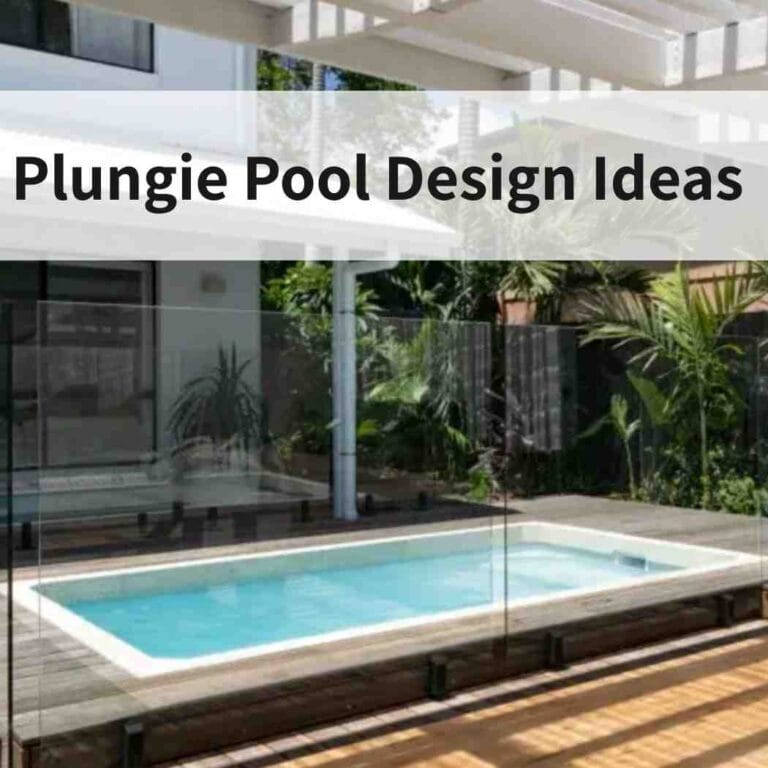
- Flat block → In-ground
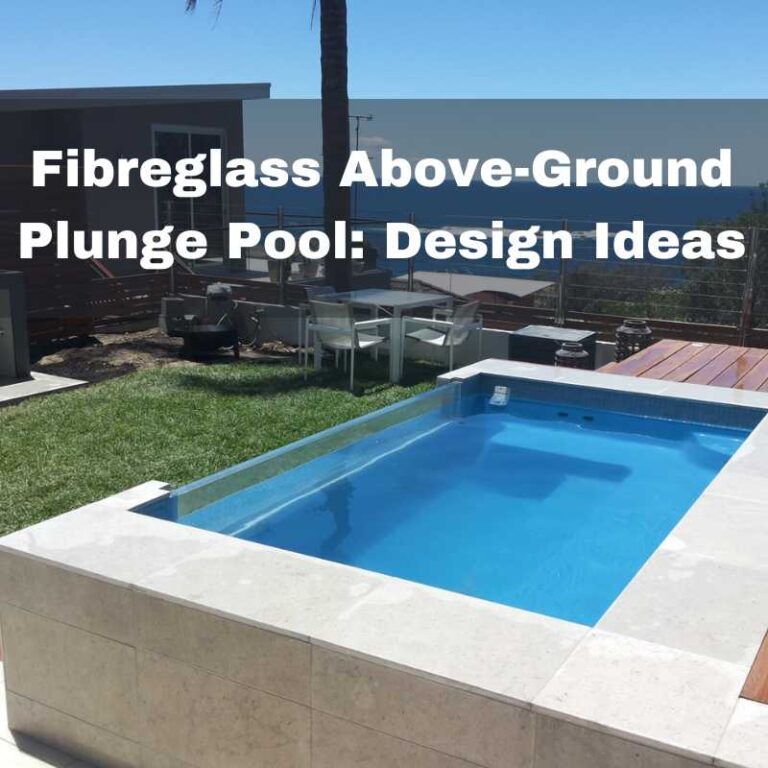
- Sloping block → Above-ground or semi-recessed
- Tight access → Above-ground
In-Ground Pools
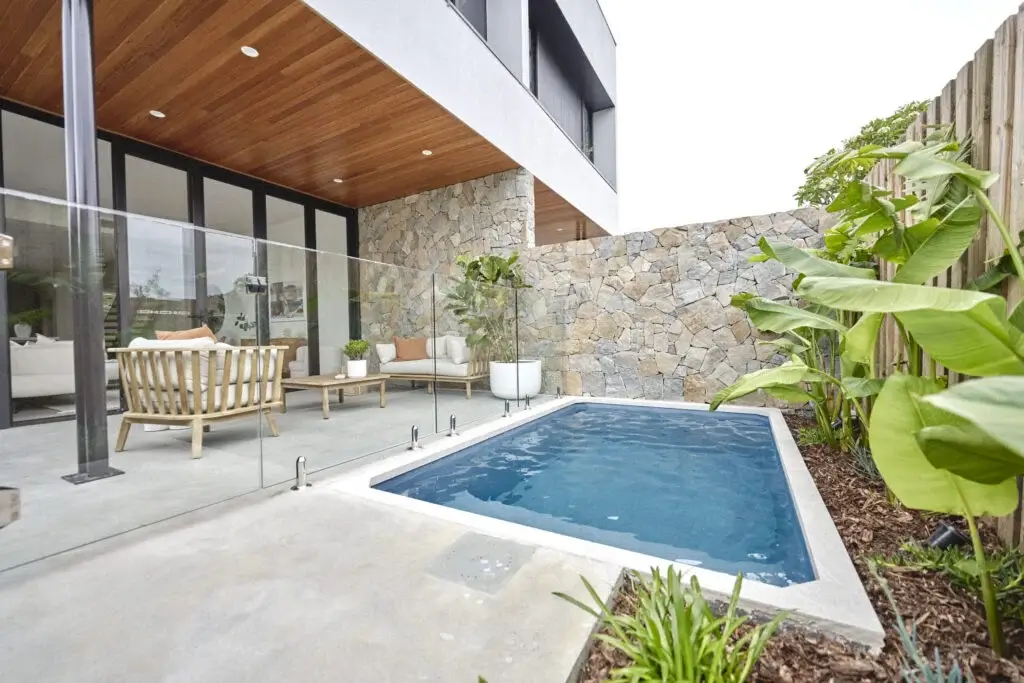
Best for: Flat blocks, new homes
- Clean, seamless look
- Blends with landscaping
- Higher excavation cost
Above-Ground Pools
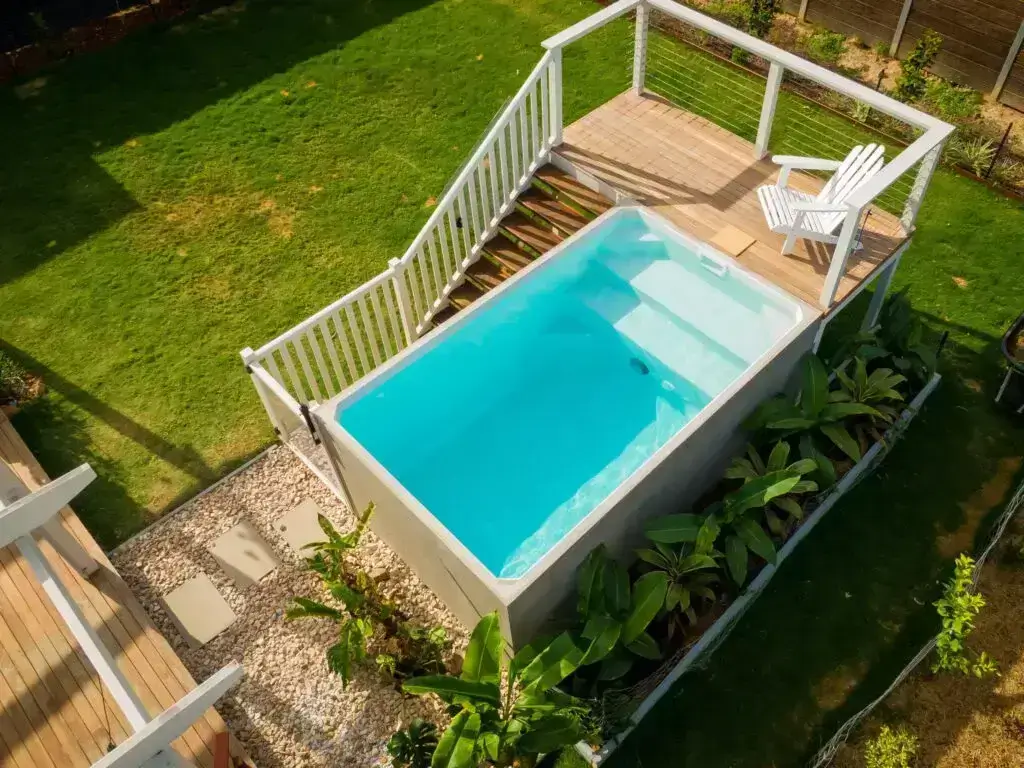
Best for: Slopes, tight access
- Faster and cheaper installation
- Less digging
- Needs a good design to look balanced
Semi-Recessed Pools
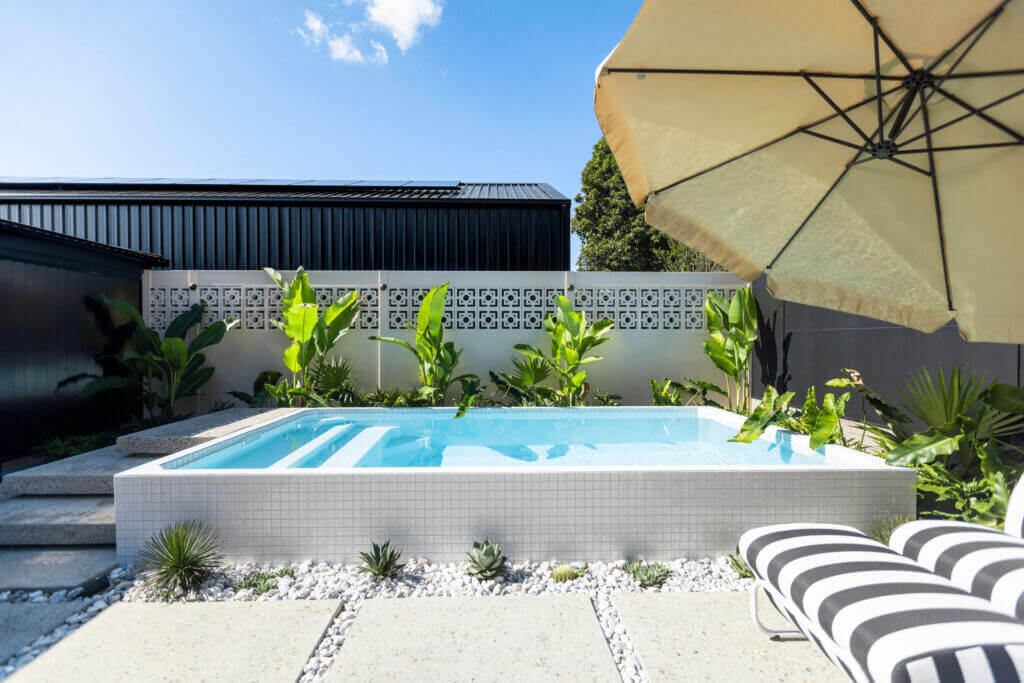
Best for: Uneven blocks
- A design that is part in-ground and part above can create a unique swim area in every backyard.
- Lower excavation cost
- Flexible design
Plungie Pool Styles
Quick Style Guide
| Style | Best For | Look |
| Modern | Small yards | Clean, simple |
| Tropical | Entertaining | Relaxed, lush |
| Coastal | Beach homes | Light, airy |
| Compact | Small blocks | Space-saving |
Popular Styles
Modern Minimalist
- Clean lines
- Neutral colours
- Low maintenance
Tropical / Resort
- Timber decking
- Plants and palms
- Relaxed feel
Coastal / Hamptons
- Light colours
- Stone finishes
- Works well near the ocean
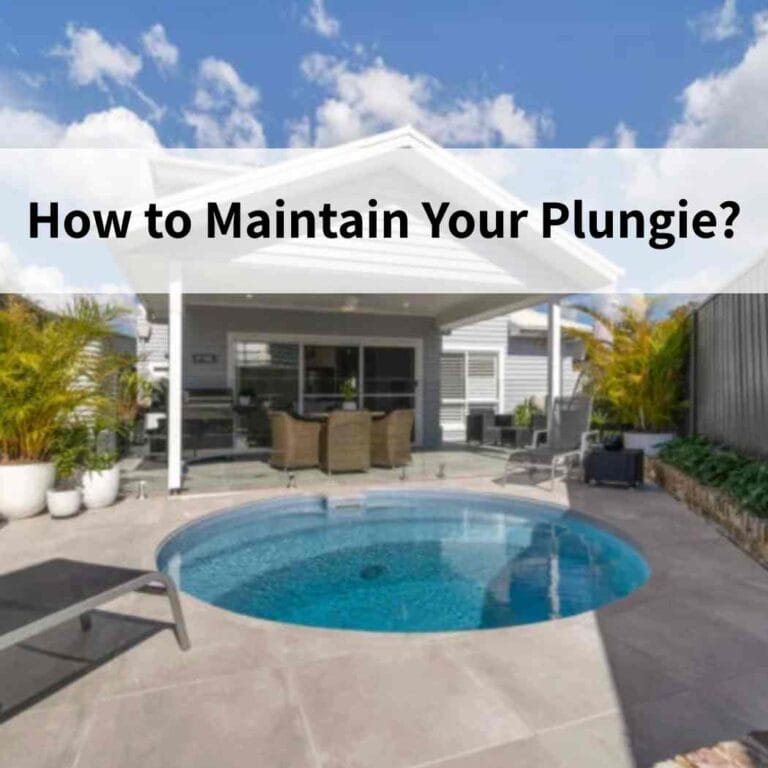
Compact / Courtyard
- Built for small spaces
- Efficient layouts
- Private feel
What Are the Best Materials & Finishes for a Plungie Pool?
The best materials and finishes for a Plungie pool are those that improve safety, durability, and how the pool integrates with your outdoor space. Rather than focusing only on appearance, choose materials that suit your site’s conditions, withstand the Australian climate, and create a practical transition between the pool and surrounding areas.
Structural Surround Materials
The area surrounding your Plungie pool should be durable, slip-resistant, and easy to maintain. Common options include:
- Concrete coping provides a clean, contemporary finish and suits most modern homes.
- Natural stone coping, such as travertine, stays cooler underfoot and offers a premium appearance.
- Composite or timber decking works well where the pool connects directly to an alfresco area or raised outdoor deck.
The best option depends on your home’s design, intended use, maintenance preferences, and budget.
Choosing the Right Pool Edge
The pool edge influences both the appearance and functionality of your outdoor space.
- Flush coping creates a seamless transition between the pool and surrounding surface.
- Raised coping provides a defined edge that suits sloping sites or elevated designs.
- Bullnose coping softens the pool edge while providing a comfortable sitting surface.
Regardless of the finish you choose, all surrounding materials should be slip-resistant, UV-resistant, and suitable for saltwater environments to maximise safety and long-term performance.
Integrating the Pool with Your Outdoor Space
A well-designed Plungie pool should connect naturally with existing structures such as your alfresco area, patio, or outdoor entertaining space. During the design stage, allow enough room for comfortable movement, compliant pool fencing, equipment access, and drainage before selecting decorative finishes or landscaping.
Looking for affordable ideas for plants, lighting, decorative stone, and poolside styling? Read our guide on Low-Cost Precast Plunge Pool Landscaping Ideas.
How Much Does a Plungie Pool Cost?
A Plungie pool typically costs between $25,000 and $55,000 for a standard installation, while more complex projects with premium finishes or challenging site conditions can exceed $60,000. However, the final cost is influenced more by your property’s design requirements than the pool shell itself.
What Affects the Cost?
Several design and site factors can influence the overall project cost, including:
- Site access for delivery and crane installation
- Block slope and excavation requirements
- Soil conditions and drainage
- Retaining walls or structural support
- Pool surrounds and coping selection
- Fencing and compliance requirements
Choosing the right pool layout early in the planning stage helps minimise unexpected costs and reduces the likelihood of design changes during construction.
Looking for a detailed cost breakdown? Visit our plunge pool installation cost, where we explain typical installation costs, site-specific expenses, and the factors that influence pricing across different types of properties.
What Are the Most Common Plungie Pool Mistakes to Avoid?
The most common Plungie pool mistakes to avoid are choosing the wrong size, poor drainage, bad layout, ignoring site access, and skipping compliance requirements. These issues can increase costs, delay installation, and reduce long-term performance.
1. Wrong size
- Too big → expensive to run
- Too small → feels cramped; ensure your plunge pool is spacious enough for lounging and swimming.
2. Poor drainage
- Causes movement and damage
3. Bad layout
- Hard to use
- Poor flow
4. Ignoring access
- Higher crane costs
- Delays
5. Skipping compliance
- Fines and rework
How Plungie Pools Are Installed
Once your Plungie pool design has been finalised, the installation process is relatively straightforward. Because the precast concrete pool shell is manufactured off-site, most of the work involves preparing the site and positioning the pool correctly.
The typical installation process includes:
- Completing the site preparation and engineered foundation.
- Delivering and craning the precast pool shell into position.
- Levelling and securing the pool on the prepared base.
- Connecting the plumbing, filtration and electrical systems.
- Backfilling around the pool and completing the surrounding works, such as coping, paving and fencing.
- Filling, testing and commissioning the pool before handover.
The quality of the site preparation, foundation and drainage is just as important as the pool itself. A well-planned design helps ensure the installation runs smoothly and reduces the risk of delays or unexpected costs.
What Should You Check During a Site Assessment Before Designing a Plungie Pool?
Before designing a Plungie pool, you should check soil type, drainage, slope, crane access, and local council rules. These factors determine what design will work, how much it will cost, and how smooth the installation of your plungie pool will be.
When planning a Plungie pool site assessment in Australia, your block matters more than the pool itself. A proper assessment helps avoid costly mistakes and ensures your pool is safe, compliant, and built to last.
- Soil type can affect the installation of your concrete plunge pool and its longevity.
- Drainage
- Slope
- Access for the crane
- Local rules
Why it matters
Your site decides:
- What design works
- How much does it cost
- How easy is the installation
With drainage management, excavation planning, crane-only access, and compliance obligations all affecting installation outcomes, working with skilled Plungie pool installation specialists helps you create a safer and more efficient backyard build process.
Do You Need Compliance and Approvals for a Plungie Pool?
Yes. Most Plungie pools in Australia require building approval, compliant pool fencing, and final certification before they can be legally used. Approval requirements should be considered during the design stage to ensure the pool’s location complies with applicable building and safety regulations.
Building Approval
Most Plungie pool installations require building approval before construction begins. During the approval process, the proposed design is assessed to ensure it meets structural and building requirements.
This assessment typically considers:
- Pool location and setbacks.
- Structural engineering requirements.
- Installation methodology.
- Compliance with the National Construction Code (NCC) and relevant state regulations.
Planning these requirements early helps prevent costly design changes later in the project.
Pool Barrier Compliance
Every regulated swimming pool must have a compliant safety barrier that meets Australian Standard AS 1926.1 and applicable state legislation.
When designing your pool area, allow sufficient space for:
- A compliant pool fence.
- Self-closing and self-latching gates.
- Required non-climbable zones.
- Safe access around the pool.
Incorporating fencing requirements into the initial design creates a more functional layout and reduces the risk of approval delays.
Final Inspection and Certification
Once installation is complete, the pool must pass a final inspection before it can be used. The inspection confirms that the installation has been completed according to the approved plans and that all applicable safety requirements have been met.
Depending on your state or local authority, additional registration or certification requirements may also apply.
When Is Council Approval Required?
Some properties may require additional council approvals before construction can begin. This commonly applies where the property is affected by:
- Planning overlays.
- Heritage or character precincts.
- Environmental constraints.
- Boundary setback requirements.
- Easements or drainage infrastructure.
Your pool builder or building certifier can advise which approvals apply to your property before the design is finalised.
What Equipment Do You Need for a Plungie Pool?
Every Plungie pool requires a filtration system and circulation pump to keep the water clean and safe. Optional upgrades such as heating systems can also be incorporated during the design stage to improve comfort and extend the swimming season.
Essential Equipment
Every Plungie pool should include:
- Filtration system to remove debris and maintain water quality.
- Circulation pump to keep water moving efficiently through the filtration system.
Optional Upgrades
Depending on how you plan to use your pool, you may also consider:
- Heat pump for energy-efficient water heating throughout the year.
- Solar heating as a lower-cost, environmentally friendly heating option where site conditions are suitable.
- Pool automation systems to simplify water treatment, filtration scheduling and equipment control.
Equipment Placement Considerations
Equipment should be planned as part of the overall pool design rather than added afterwards. A suitable location should:
- Provide easy access for servicing and maintenance.
- Minimise pump noise near outdoor living areas.
- Allow adequate ventilation around equipment.
- Keep plumbing runs as short as practical to improve efficiency.
- Blend with the surrounding design using screening or landscaping where appropriate.
Planning equipment locations early helps create a cleaner pool layout while making future maintenance easier.
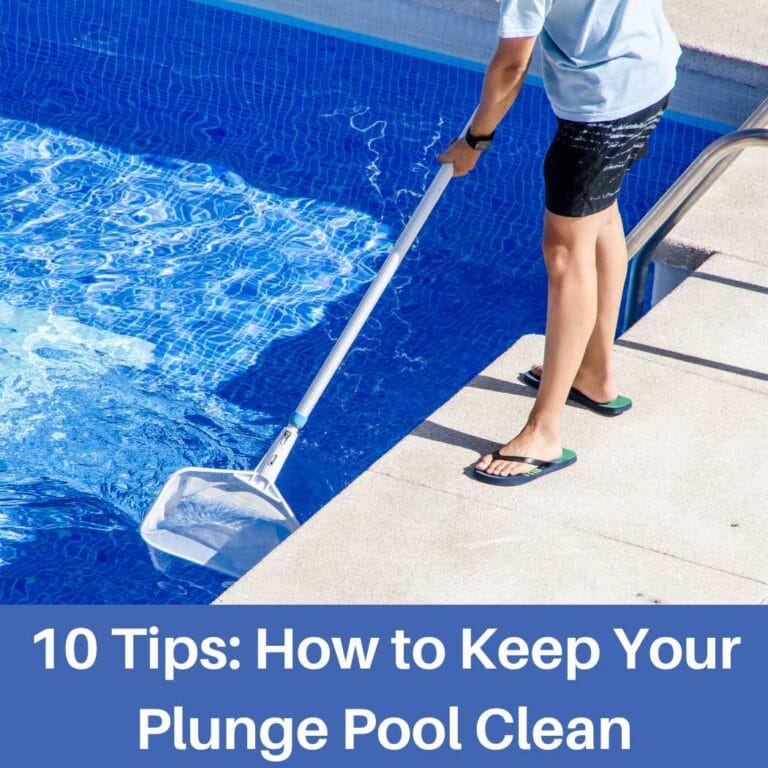
Need advice on maintaining your filtration system and pool equipment? Read our guide on how to maintain your plungie pool for servicing tips and ongoing care.
Best Plungie Pool Design for Your Block
The best Plungie pool design depends on your property’s size, shape, slope, access, and how you plan to use the space. Choosing a layout that works with your site can reduce construction costs, simplify installation, and create a more functional backyard.
1. Flat Blocks
Flat blocks are the most straightforward for Plungie pool installations. An in-ground design creates a seamless transition between the pool, outdoor entertaining area, and surrounding landscape while minimising the need for retaining walls or additional structural work.
Best choice: In-ground Plungie pool
2. Sloping Blocks
Sloping sites often suit above-ground or semi-recessed designs. These layouts reduce excavation, work with the natural contours of the land, and can minimise the need for extensive retaining walls.
Best choice: Semi-recessed or above-ground Plungie pool
3. Narrow or Limited Access Blocks
If your property has narrow side access or limited space for excavation equipment, a precast concrete Plungie pool can often be craned into position. Planning crane access early helps avoid unnecessary delays during installation.
Best choice: Compact Plungie pool with crane installation
4. Small Backyards
Compact backyards benefit from designs that maximise usable outdoor space. Positioning the pool close to an alfresco area or entertaining zone creates a practical layout without making the backyard feel overcrowded.
Best choice: Compact rectangular or square Plungie pool
5. Coastal Properties
Homes near the coast should use durable materials that can withstand salt air and increased moisture exposure. Selecting corrosion-resistant components and hard-wearing finishes helps protect the pool and surrounding structures over the long term.
Best choice: Precast concrete Plungie pool with saltwater-compatible equipment and durable coping materials
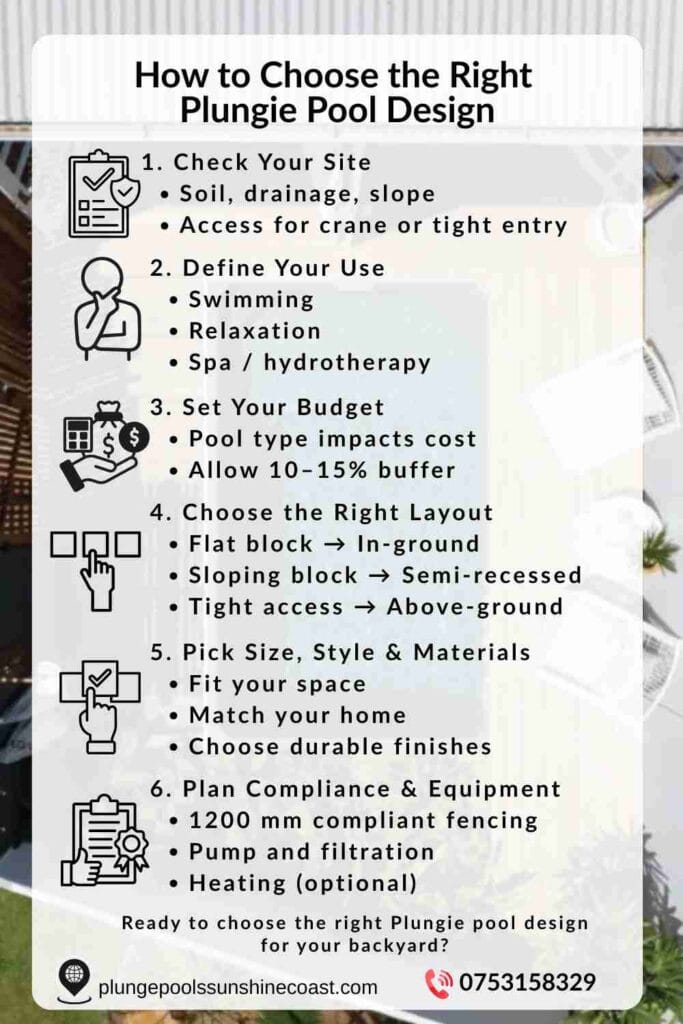
How to Choose the Right Design
When comparing different Plungie pool designs, consider:
- The size and shape of your block.
- Ground slope and drainage requirements.
- Site access for delivery and crane installation.
- How the pool connects to your outdoor living area.
- Available space for equipment and compliant pool fencing.
- Your budget and long-term maintenance goals.
Choosing the right design from the beginning helps create a backyard that is practical, visually balanced, and suited to your property’s unique conditions.
Final Checklist Before You Build
Before committing to a Plungie pool design, make sure you’ve considered the key factors that influence installation, long-term performance, and compliance.
Confirm that:
- The pool size and layout suit your backyard and lifestyle.
- The design matches your block’s slope, access, and site conditions.
- Soil, drainage, and excavation requirements have been assessed.
- There is adequate access for delivery and crane installation.
- Pool equipment has been positioned for easy servicing and minimal noise.
- The design allows sufficient space for compliant pool fencing and safe access around the pool.
- Your preferred coping and surrounding materials are durable, slip-resistant, and suitable for your environment.
- Building approvals and any applicable council requirements have been identified.
- Your project budget includes site preparation, installation, pool surrounds, fencing, and associated works.
Completing these checks before construction begins helps minimise unexpected costs, reduces installation delays, and ensures your Plungie pool is designed to suit both your property and the way you plan to use it.
Conclusion
The best design is the one that fits your site, your lifestyle, and your budget. When these three align, the pool looks right, works well, and lasts longer.
At Plunge Pools Sunshine Coast, we help homeowners design and install plungie pools that suit local conditions, from sandy coastal blocks to sloping backyards. Our focus is simple: make the process clear, the design practical, and the result long-lasting.
Reach out to Plunge Pools Sunshine Coast and mention your project. We will help you choose the right design and guide you through the entire process from planning to installation.
FAQs
1. How much will my specific plungie pool project cost on my block?
A plungie pool project on the Sunshine Coast usually costs $25,000 to $55,000+, depending on your site. Costs increase with excavation, access, drainage, and finishes. Flat, easy-access blocks cost less. Sloping or tight sites cost more due to added labour and equipment.
2. Which plungie pool design is best for my backyard layout?
The best plungie pool design is the one that matches your block shape, access, and use. Flat blocks suit in-ground designs. Sloping or tight sites suit above-ground or semi-recessed. The right design improves usability, reduces cost, and makes installation easier.
3. Can my backyard actually fit a plungie pool?
Yes, most backyards can fit a plungie pool if space is planned properly. Even small or narrow blocks can work using compact models like Studio or Quad. The key factors are access, layout, and compliance space for fencing and movement.
4. Should I choose an in-ground, above-ground, or semi-recessed plungie pool?
Choose based on your site conditions. In-ground suits flat blocks and premium finishes. Above-ground plunge pools suit slopes and tight access while providing a stylish lounge option. Semi-recessed balances cost and design flexibility. The right choice reduces installation difficulty and improves long-term performance.
5. What hidden costs should I expect when designing a plungie pool?
Hidden costs include excavation, crane access, drainage work, fencing, and approvals. These vary by site conditions. Poor access, sloping land, or soil issues can increase costs quickly. Planning these early helps avoid budget blowouts and delays.