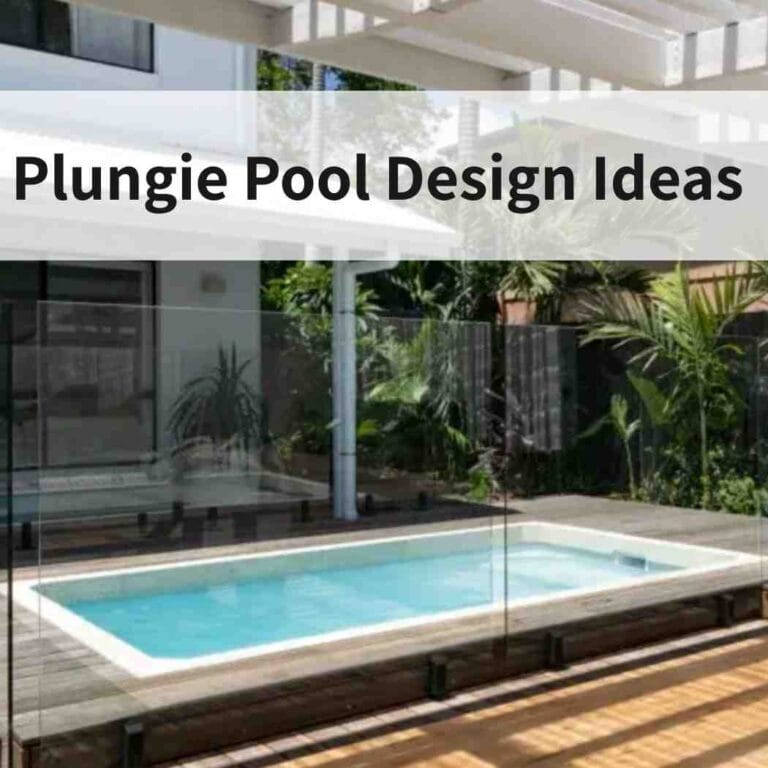
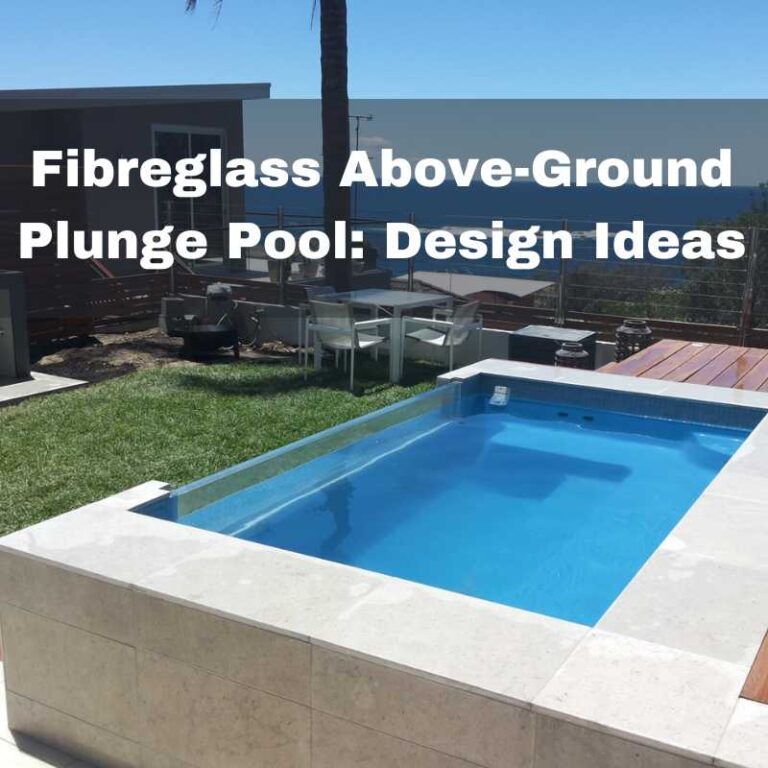
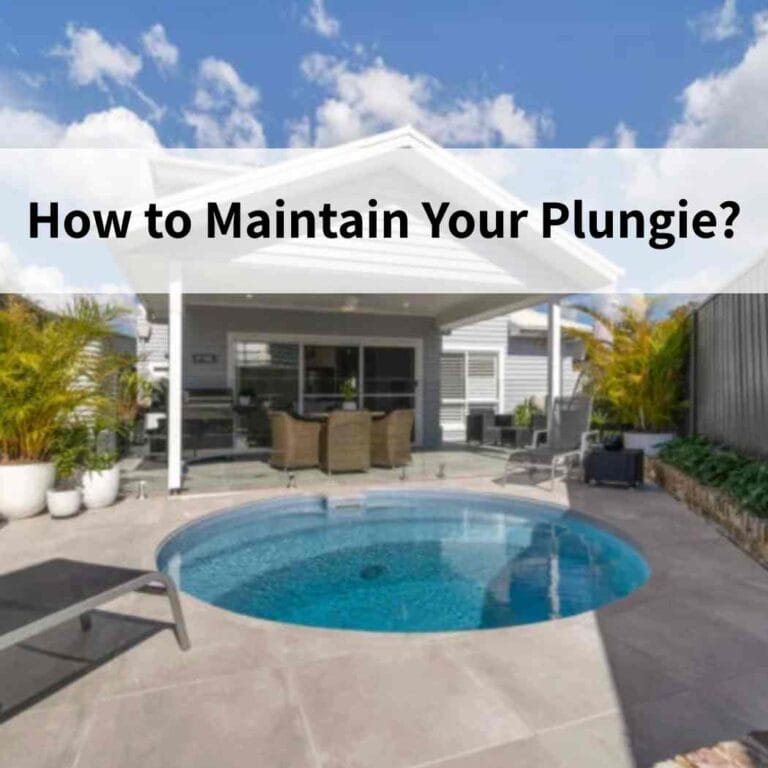
Smaller fibreglass plunge pools can start from about $25,000 and go up to $55,000+, whilst bigger family plunge pools usually range between $45,000 and $80,000+. Larger fiberglass swimming pools for lap swimming, partying and family use often cost between $55,000 and $100,000+ with installation, fence and basic landscaping.
For projects requiring difficult site access, retaining walls, premium fencing, pool heating, automation systems, substantial landscaping or luxury outdoor living areas, the total price can easily climb past $100,000.
The table below provides a general guide to the costs of fibreglass pools for a range of pool sizes.
| Pool Type | Typical Installed Cost |
|---|---|
| Fibreglass Plunge Pool | $25,000 – $55,000+ |
| Small Fibreglass Pool (5m–6m) | $35,000 – $65,000+ |
| Medium Fibreglass Pool (6m–8m) | $45,000 – $80,000+ |
| Large Fibreglass Pool (8m–10m+) | $55,000 – $100,000+ |
The exact price of your fibreglass pool will be determined by a variety of criteria including pool size, shell design, soil conditions, site access, possible improvements, and the difficulty of the installation.
In the sections below we’ll break down the costs of a fibreglass pool by size, installation fees, hidden charges and the elements that affect the overall expenses.
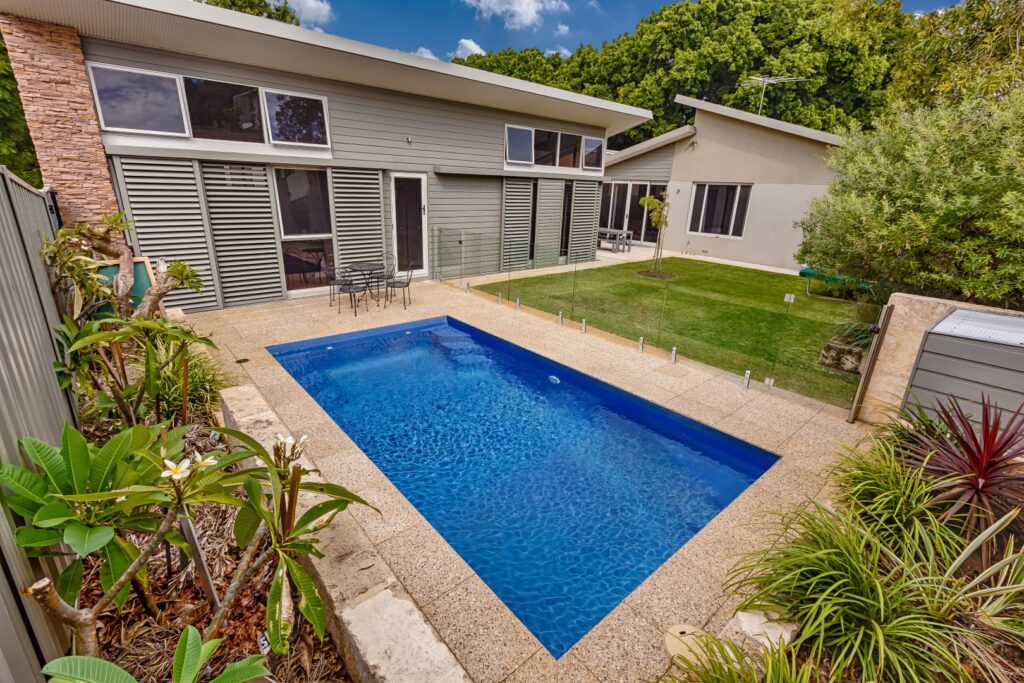
What Affects Fibreglass Pool Costs?
The main factors that affect fibreglass pool costs are pool size, design, site conditions, installation requirements, equipment selection, access restrictions, fencing, landscaping, and optional upgrades. While the pool shell itself is a significant part of the investment, these additional factors can have an equally large impact on the final project cost.
For example, two homeowners may choose the same fibreglass pool model but receive very different quotes. A pool installed on a flat block with easy access will generally cost less than the same pool installed on a sloping site that requires extensive excavation, retaining walls, drainage improvements, or crane hire.
Understanding these cost drivers early can help you set a realistic budget, compare quotes more accurately, and avoid unexpected expenses during the installation process.
The sections below explain the most common factors that influence the cost of a fibreglass pool.
1. Pool Size and Dimensions
Pool size is one of the greatest expense drivers. Larger pools mean bigger shells, more digging, more materials, and higher-capacity machinery.
Generally speaking:
- Smaller fibreglass pools are cheaper to buy and install.
- Medium family pools require additional excavation and equipment.
- Large fiberglass pools sometimes require more site preparation, bigger filtration systems and more landscaping around them.
A 4m plunge pool will normally be a lot cheaper than a 10m swimming pool, due to the differences in materials, manpower and complexity of construction.
2. Pool Shape and Design
Simple pool designs tend to be less expensive than custom or luxury designs. Standard rectangular pools are generally the most economical alternative because they are less expensive to produce, transport and install. Curved shapes, integrated spas, tanning ledges and bespoke features may add to the overall project cost.
3. Access to the Site
Access to your backyard can significantly impact the cost of installation Properties with wide and direct access are usually easier and cheaper to fit out. Access to tight sides, steep roads, adjoining structures or limited working area may require additional equipment such as cranes or specialty excavation machinery. Limited access might add thousands of dollars to the overall installation cost.
4. Soil Conditions and Excavation
What’s under your backyard can make a big difference to the final price. You will need less preparation for generally stable soils but more excavation and engineering on rocky terrain, reactive clay, with subsurface services or on sloping blocks.
Typical costs for excavation are:
- Removal of rock
- Disposal of Soil
- Drainage Enhancements
- Retaining walls
- Site levelling.
5. Pool Equipment and Filtration Systems
Every fibreglass pool requires essential equipment to operate properly. This typically includes a pool pump, filtration system, skimmer box, plumbing and electrical connections. Larger pools often require higher-capacity equipment, which can increase both installation and ongoing operating costs.
6. Optional Features and Upgrades
Many homeowners choose to enhance their pool with additional features.
Common upgrades include:
- Pool heating
- LED lighting
- Water features
- Pool automation
- Self-cleaning systems
- Mineral pool systems
- Premium coping and paving
While these features can improve usability and enjoyment, they can also add significantly to the overall project budget.
7. Fencing, Landscaping, and Compliance
Many first-time pool buyers focus only on the pool itself and they tend to forget to allocate a budget for the surrounding works. Additional costs often include pool fencing, council approvals, safety compliance requirements, decking, paving, and landscaping. In many cases, these items can represent a substantial portion of the total project cost.
8. Location and Local Requirements
Another factors that affect costs are local council requirements, labour costs, material availability, and site conditions can influence pricing. For homeowners on the Sunshine Coast, factors such as sloping blocks, coastal conditions, and access constraints may also affect the final cost of a fibreglass pool installation.
Cost of Fibreglass Pool by Size
One of the greatest elements that will affect the cost of a fibreglass pool is its size. Bigger pools mean bigger shells, more digging, more materials and more powerful equipment all of which increase the installation and running costs.
Whether you want a little plunge pool or a swimming pool for the whole family or a large pool for entertaining and working out, knowing the average price range for each size will help you better manage your budget.
Fibreglass Plunge Pool Cost (2m–5m)
The least expensive type of fiberglass pool is the fiberglass plunge pool. They require less excavation and fewer materials than larger swimming pools. It is meant for modest backyards, relaxation, cooling off and hydrotherapy.
Most fiberglass plunge pools in Australia cost between $25,000 to $55,000+ installed depending on the size of the pool, site conditions, equipment selection and surrounding finishes.
Common plunge pool sizes include:
| Pool Size | Typical Installed Cost |
|---|---|
| 2m x 2m | $25,000 – $35,000+ |
| 3m x 3m | $30,000 – $45,000+ |
| 4m x 2.5m | $35,000 – $50,000+ |
| 5m x 3m | $40,000 – $55,000+ |
Fibreglass plunge pools are ideal for compact blocks, courtyards, and homeowners looking for a lower-maintenance alternative to a traditional swimming pool.
For more information about plunge pool cost, visit our article Plunge Pool Installation Cost in Sunshine Coast.
Small Fibreglass Pool Cost (5m–6m)
Small fiberglass pools provide more room to swim than plunge pools, but are still appropriate for many suburban backyards. They are a good compromise between price, ease of use and maintenance costs over time.
Most small fibreglass pools are erected for between $35,000 and $60,000+ depending on site conditions, equipment selection, access needs and surrounding works.
| Pool Size | Typical Installed Cost |
|---|---|
| 5m x 3m | $35,000 – $50,000+ |
| 6m x 3m | $40,000 – $55,000+ |
| 6m x 3.5m | $45,000 – $60,000+ |
These pools are popular with families who want enough room for recreation and relaxation without sacrificing too much backyard space.
Medium Fibreglass Pool Cost (6m–8m)
Medium-sized fibreglass pools are one of the most popular pool choices for Australian families. They provide sufficient area for swimming, entertaining and day to day use, while being affordable in terms of costs of installation and upkeep.
Most medium-sized fibreglass pools built will cost from $45,000 to $80,000+ depending on the pool design, site limitations, access needs, equipment selection and surround finishing.
| Pool Size | Typical Installed Cost |
|---|---|
| 7m x 3.5m | $45,000 – $65,000+ |
| 7m x 4m | $50,000 – $75,000+ |
| 8m x 4m | $55,000 – $80,000+ |
These pools are often selected by homeowners who want a true family swimming pool without committing to the size and expense of a larger pool.
Large Fibreglass Pool Cost (8m–10m+)
Large fibreglass pools are for the homeowners who desire as much swimming space, entertaining places and room for workout or lap swimming. These pools are attractive for large families and those wishing to craft a luxury backyard experience.
The average cost of a big fibreglass pool installation is between $55,000 and $100,000+ depending on the size of the pool, site circumstances, access needs, equipment upgrades and work around the pool.
| Pool Size | Typical Installed Cost |
|---|---|
| 8m x 4m | $55,000 – $80,000+ |
| 9m x 4m | $65,000 – $90,000+ |
| 10m x 4m | $75,000 – $100,000+ |
Large pools often require:
- More extensive excavation
- Higher-capacity filtration systems
- Increased fencing requirements
- Larger landscaped areas
- Additional plumbing and electrical work
Premium installations featuring pool heating, automation systems, luxury finishes, retaining walls, difficult site access, or extensive outdoor entertaining areas can exceed $100,000.
Fibreglass Pool Cost Comparison by Size
The table below provides a quick comparison of the typical installed cost for different fibreglass pool sizes.
| Pool Category | Typical Installed Cost |
|---|---|
| Fibreglass Plunge Pool | $25,000 – $55,000+ |
| Small Fibreglass Pool | $35,000 – $60,000+ |
| Medium Fibreglass Pool | $45,000 – $80,000+ |
| Large Fibreglass Pool | $55,000 – $100,000+ |
While pool size is one of the largest pricing factors, installation costs, site conditions, equipment upgrades, fencing, and landscaping can significantly impact the final amount you pay. Understanding these additional expenses is just as important as choosing the right pool size.
Get My Free Pool Quote ➔Not sure which pool size fits your backyard or budget? Contact our team for a free site assessment and personalised quote.
Fibreglass Pool Shell Prices Vs Pool Installed Cost
When studying fibreglass pool pricing it is crucial to understand the difference between the cost of the pool shell and the overall installed cost. Many homeowners see advertising shell pricing and assume that is the whole project budget only to find out later that installation, excavation, fencing and landscaping can greatly increase the final price.
What Is a Fibreglass Pool Shell?
The pool shell, made from fibreglass, is a pre constructed pool construction that is supplied to your site ready for installation. The shell is made in the factory and delivered in one piece to the site of its installation in the ground.
The price of a shell often includes:
- Fibreglass pool shell
- Factory applied gelcoat finish
- Steps, benches or ledges (built-in, depending on design)
- Warranty Manufacturer
However, shell prices generally exclude excavation, plumbing, electrical work, fencing, landscaping or installation manpower.
How Much Does a Fibreglass Pool Shell Cost?
The price of a pool shell will vary based on the size, shape, depth, manufacturer, and the extras that are included. The numbers below are typical shell only prices and do not include excavation, installation, plumbing, electrical, fence or landscaping.
| Pool Size | Typical Shell Price |
|---|---|
| Fibreglass Plunge Pool | $10,000 – $18,000+ |
| Small Fibreglass Pool (5m–6m) | $12,000 – $22,000+ |
| Medium Fibreglass Pool (6m–8m) | $15,000 – $28,000+ |
| Large Fibreglass Pool (8m–10m+) | $18,000 – $35,000+ |
Premium shell designs featuring integrated spas, tanning ledges, advanced finishes, or larger custom moulds can exceed these figures.
Why Installed Costs Are Much Higher
While the shell is a major component of the project, it is often only one part of the total investment.
A complete fibreglass pool installation may include:
- Site inspection and planning
- Excavation and soil removal
- Pool delivery
- Crane hire (if required)
- Plumbing and drainage
- Electrical connections
- Pool equipment installation
- Fencing and compliance
- Landscaping and paving
- Council approvals
These additional items can account for a significant portion of the overall project budget.
Example: Shell Cost vs Installed Cost
| Item | Typical Cost |
|---|---|
| 8m x 4m Fibreglass Pool Shell | $18,000 – $25,000 |
| Excavation & Installation | $10,000 – $20,000+ |
| Plumbing & Electrical | $3,000 – $8,000+ |
| Fencing & Compliance | $4,000 – $12,000+ |
| Landscaping & Surrounds | $5,000 – $20,000+ |
| Total Installed Cost | $55,000 – $80,000+ |
As you can see, the pool shell is only one component of the overall project cost. Site preparation, excavation, plumbing, electrical work, fencing, compliance requirements, and landscaping can often represent a larger portion of the total investment than homeowners initially expect. Understanding these additional costs early can help you budget more accurately and avoid surprises during the installation process.
Should You Buy a Pool Shell Only?
Purchasing a shell-only package may appear cheaper upfront, but homeowners should carefully consider the additional responsibilities involved.
A shell-only purchase means you may need to organise:
- Excavation contractors
- Crane operators
- Plumbers
- Electricians
- Pool equipment suppliers
- Compliance requirements
- Project management
For many homeowners in Sunshine Coast, a fully installed package provides greater convenience, clearer pricing, and fewer risks throughout the construction process.
Shell Price or Installed Price: Which Should You Compare?
When looking at fibreglass pool quotes, always compare the complete installed cost, not just the shell price.
A reduced shell price does not make for a cheaper project. The site circumstances, access restrictions, quality of the equipment, and installation inclusions usually have a considerably higher impact on the ultimate sum you pay than the pool shell itself.
Request a Complete Installed Price ➔Avoid comparing shell prices alone. We can provide a complete and detailed quote for you.
Breakdown of Fibreglass Pool Installation Costs
It is common when budgeting for a fibreglass pool to focus on the pool shell itself. But the installation phase sometimes constitutes a large part of the entire project cost. Knowing these costs beforehand will help you prevent budget shocks and evaluate quotations more accurately.
Excavation and Site Preparation Costs
The site has to be dug and prepped for the pool shell, plumbing and support facilities before the pool can be installed. For most fiberglass pool installations, excavation and site prep cost between $3,000 and $15,000+, depending on considerations such as:
- Size of pool
- Soil conditions
- Rock excavation needs
- Site accessibility
- Gradient of the block
- Drainage needs
- Excavation and removal of soil.
Additional equipment and manpower are needed for properties with rocky terrain, reactive clay, poor access or large elevation changes, which adds to the expense of excavation.
| Site Condition | Typical Additional Cost |
|---|---|
| Flat, accessible block | Minimal additional excavation costs |
| Rocky ground | $3,000 – $10,000+ |
| Sloping block | $5,000 – $15,000+ |
| Drainage improvements | $1,000 – $5,000+ |
| Soil removal and disposal | $500 – $5,000+ |
Because excavation difficulty, soil stability, drainage, and site access directly impact installation cost for large pools, understanding your backyard suitability early helps prevent budget blowouts and avoids delays during construction.
Pool Delivery and Crane Hire Costs
Fibreglass pools are supplied as a single shell and delivered to your property where it is installed. The pool can be installed directly in the excavation area with typical installation equipment in most applications. However, in locations that have restricted access, a crane may be required to raise the pool shell over buildings, fences, trees, retaining walls or neighbouring structures.
The cost of hiring a crane depends on the size of the pool, the difficulty of the lift, access to the site and the type of crane needed.
| Installation Requirement | Typical Cost |
|---|---|
| Standard delivery and placement | Often included in installation |
| Small crane lift | $2,000 – $5,000+ |
| Large crane lift | $5,000 – $12,000+ |
Some premium installations involving large pool shells, difficult access, extended crane hire periods, or complex lift requirements may exceed these figures.
When Is a Crane Required?
A crane is commonly required when:
- Side access is too narrow for equipment
- Existing structures block installation access
- The property is located on a steep block
- The pool needs to be lifted over the house
- Trees, retaining walls, or neighbouring properties limit access
Not every property requires a crane, but identifying access challenges early can help prevent unexpected costs and installation delays.
Plumbing and Filtration System Costs
All fiberglass pools have plumbing and filtration equipment to properly circulate and clean the water. This usually contains the pool pump, filter system, pipe work, skimmer box, return jets, valves and connections
The average homeowner may anticipate to pay anywhere between $3,000 and $8,000+, depending on the size of the pool and the equipment you choose. Larger pools frequently demand greater capacity systems which increases both installation costs and on-going operating costs.
Cost of Electrical Installation
You will need electrical power to run the pool equipment and any extras you choose to install.
Some typical electrical components are the pool pump and filtration system power supply, pool lighting, automation systems, heat pumps and electrical safety switches. The type and complexity of the electrical installation will vary depending on the type of pool equipment chosen, the existing electrical infrastructure on the property and the distance from the pool area to the main switchboard.
Most electrical installs will be $1500-$5000+ depending on distance from switchboard and intricacy of the setup.
Compliance Costs and Pool Fencing
All pools at residences in Australia must be secured by suitable fencing and safety barriers. Pool fencing normally costs from $4,000 to $12,000+, with the exact price dependent on the pool perimeter, fence style, gate needs, and site considerations. Premium choices such as glass fencing or tricky property layouts will come with additional installation prices.
| Fence Type | Typical Cost |
|---|---|
| Aluminium fencing | $4,000 – $8,000+ |
| Semi-frameless glass | $8,000 – $15,000+ |
| Frameless glass | $12,000 – $25,000+ |
Many homeowners underestimate fencing costs when planning their pool budget.
Landscaping and Surrounding Works
In most cases, the area surrounding the pool will require some finishing work to create a usable and attractive outdoor space once the pool is installed. Landscaping expenses can include such things as pool coping, paving, decking, turf installation, flower beds, retaining walls and other exterior features to compliment the pool area.
Expect to spend between $5,000 and $25,000+ on landscaping and surrounding works for the average home owner. Premium outdoor living spaces with extensive paving, custom decking, outdoor kitchens or luxury entertaining spaces can cost even more. In many cases the entire look and function of the pool area is as much a function of the surrounding finishes as the pool itself.
Council Approvals and Permit Costs
Depending on your location and site conditions, approvals and inspections may be required before installation can begin.
Typical approval-related costs range from $500 to $2,000+ and may include:
- Building approvals
- Engineering reports
- Site inspections
- Pool compliance certification
Working with an experienced pool builder can help streamline this process and reduce delays.
Typical Total Installation Costs
The table below provides a general guide to common fibreglass pool installation expenses.
| Installation Component | Typical Cost Range |
|---|---|
| Excavation & Site Preparation | $3,000 – $15,000+ |
| Crane Hire (if required) | $2,000 – $12,000+ |
| Plumbing & Filtration | $3,000 – $8,000+ |
| Electrical Work | $1,500 – $5,000+ |
| Pool Fencing | $4,000 – $12,000+ |
| Landscaping & Surrounds | $5,000 – $25,000+ |
| Council Approvals | $500 – $2,000+ |
While every project is different, understanding these installation costs helps provide a more realistic picture of the total investment required for a fibreglass pool. The good news is that many of these costs can be planned and managed early through proper site inspections, detailed quotes, and careful project planning.
Get an Accurate Installation Quote ➔Speak with our team for a site-specific estimate tailored to your property.
Cost of a Fibreglass Pool vs Concrete Pool
Many homeowners are not debating whether to build a pool, but whether to choose a fibreglass pool or a concrete pool. Both can provide a beautiful and practical backyard, but there are considerable differences in their initial prices, construction time, maintenance needs, and ownership costs over time.
Knowing the distinctions might help you pick the one that best fits your budget, lifestyle and long-term goals.
Installation costs up front
Fibreglass pools are generally cheaper to install than concrete pools.
Fibreglass pools are created in a factory and sent to site as a pre-built shell, thus installation is often quicker and involves less on-site building labour. A concrete pool is a total on-site job. You need to excavate the area, add steel reinforcement, spray concrete, cure it, waterproof, tile or finish the inside, and do a lot of effort during the whole construction process.
| Pool Type | Typical Installed Cost |
|---|---|
| Fibreglass Pool | $25,000 – $90,000+ |
| Concrete Pool | $50,000 – $200,000+ |
While both pool types can vary significantly depending on size, design, site conditions, and finishes, concrete pools generally require a larger upfront investment and longer construction timeframe.
Installation Time
One of the main advantages of fiberglass pools is the quickness with which they can be installed.
Because the shell is pre-formed, many fiberglass pool projects are finished within a few weeks of excavation. Concrete pools require time for construction and curing, therefore projects take longer to complete.
| Pool Type | Typical Installation Time |
|---|---|
| Fibreglass Pool | 2–6 weeks |
| Concrete Pool | 3–6 months+ |
For homeowners wanting to enjoy their pool sooner, fibreglass often offers a significant advantage.
Maintenance Costs
Long-term maintenance is another area where fibreglass pools often have lower ownership costs.
Fibreglass pools feature a smooth gelcoat surface that naturally resists algae growth and requires fewer chemicals to maintain water quality. Concrete pools have a porous surface that can encourage algae growth and generally require more frequent brushing, cleaning, and chemical treatment.
| Maintenance Factor | Fibreglass Pool | Concrete Pool |
|---|---|---|
| Algae Resistance | High | Moderate |
| Chemical Usage | Lower | Higher |
| Cleaning Effort | Lower | Higher |
| Surface Maintenance | Minimal | Ongoing |
Over the life of the pool, these differences can result in substantial savings in maintenance costs and effort.
Design Flexibility
Concrete pools offer greater design flexibility than fibreglass pools. Because concrete pools are built on-site, they can be constructed in virtually any shape, size, depth, or configuration. This makes them suitable for highly customised projects, irregular blocks, and luxury pool designs.
Fibreglass pools are available in a wide range of shapes and sizes, but homeowners are generally limited to the manufacturer’s mould designs.
| Feature | Fibreglass Pool | Concrete Pool |
|---|---|---|
| Custom Shapes | Limited | Extensive |
| Custom Sizes | Limited | Extensive |
| Integrated Features | Moderate | Extensive |
| Design Freedom | Moderate | High |
For standard residential pools, many homeowners find that available fibreglass designs provide more than enough choice without the additional cost of custom construction.
Durability and Longevity
Both pool types can provide decades of use when properly installed and maintained.
Fibreglass pools are flexible and can better accommodate minor ground movement. Their gelcoat finish is durable and typically requires minimal surface maintenance. Concrete pools are extremely strong and durable but may require resurfacing over time as the interior finish ages.
| Durability Factor | Fibreglass Pool | Concrete Pool |
|---|---|---|
| Structural Lifespan | Long-term | Long-term |
| Surface Resurfacing | Rarely Required | Periodically Required |
| Ground Movement Tolerance | Higher | Lower |
| Surface Repairs | Less Common | More Common |
Which Pool Offers Better Value?
For most homeowners, fibreglass pools offer better overall value when balancing installation cost, maintenance requirements, and long-term ownership expenses.
Fibreglass pools are often the preferred choice for homeowners who want:
- Faster installation
- Lower upfront costs
- Reduced maintenance
- Lower chemical usage
- A smooth swimming surface
- Predictable project timelines
Concrete pools are often preferred by homeowners who want:
- Fully customised designs
- Unique shapes and layouts
- Luxury architectural features
- Complete design flexibility
The Bottom Line
If you want maximum value for your money, less upkeep and a quicker building procedure, fibreglass pools are frequently the more affordable alternative. If you care more about design freedom and don’t mind spending a little more, a concrete pool may be worth the added expense.
How Much Does a Fibreglass Pool Cost on the Sunshine Coast?
Fibreglass pools on the Sunshine Coast tend to be in line with national average costs, but site circumstances, access, property layouts and surrounding works can all have a big effect on the final price.
The cost of a completely completed fibreglass pool will normally be in the range of $25,000 to $90,000+ for most homeowners. Premium projects can approach $100,000 depending on the size of the pool, the intricacy of the site, the equipment selected and the landscaping required.
The price of the fibreglass pool shell itself may be similar Australia wide but things like sloping blocks, restricted access, crane requirements, drainage improvements, retaining walls and outdoor living enhancements can frequently have a bigger impact on the overall cost of the project.
It is also vital to realise that no two properties are exactly the same. Two homeowners may select the same fibreglass pool model, but could obtain significantly different quotations depending on factors such as excavation requirements, access conditions, drainage needs and exterior finishing services.
This is why a site specific evaluation is frequently the most accurate means of determining the exact cost of installing a fibreglass pool on the Sunshine Coast.
Sunshine Coast Factors That May Affect Pool Expenses
Not all Sunshine Coast properties are created equal. A pool in a flat suburban backyard might be a lot less expensive than on a steep seaside plot.
Some of the most prevalent local cost considerations are:
1. Sloping Blocks
Much of the housing on the Sunshine Coast is built on raised or sloping blocks, particularly in places like Buderim, Montville, Palmwoods and parts of the hinterland.
Often sloping blocks require:
- Further digging
- Retaining walls
- Drainage improvements.
- Engineering considerations
This can result in increased installation expenses but also opens the door to more ambitious pool designs and inviting outdoor entertaining areas.
2. Site Access Restrictions
One of the most neglected concerns when budgeting for a fiberglass pool is access. Properties with narrow side access, established landscaping, limited machinery access or existing structures adjacent to the installation area may require specialised excavation equipment or crane lifts to manoeuvre the pool shell safely.
If access is limited, installation costs might escalate considerably, particularly if the pool shell needs to be lifted over buildings, fences, retaining walls or adjoining structures by crane. The cost of just hiring a crane can add several thousand dollars to the whole project price, depending on how complicated the installation is. Homeowners can prevent surprises and delays in installation by identifying access issues during the design stages.
3. Coastal Conditions
A lot of Sunshine coast homes are built close to the coast and the constant exposure to salt air, high winds, humidity and moisture might dictate the type of materials and equipment chosen to complete a pool installation. Homeowners typically use corrosion-resistant pool equipment, premium fencing materials and hard-wearing coping and paving supplies engineered to endure coastal conditions, to boost longevity and minimise long-term maintenance.
Although the initial cost of the project may be higher, these changes tend to be more than offset by the long term benefits of better performance, increased durability and lower maintenance requirements in coastal regions.
4. Landscaping and Outdoor Living Areas
Many Sunshine Coast homeowners view their pool as part of a larger outdoor living space rather than a standalone feature.
As a result, projects often include:
- Decking
- Paving
- Outdoor kitchens
- Entertaining areas
- Landscaping
- Pool fencing
While these additions increase the overall investment, they also contribute significantly to the appearance, functionality, and value of the finished backyard.
5. Council Approvals and Compliance
Pool installations on the Sunshine Coast must comply with Queensland pool safety regulations and local council requirements.
Depending on the property and project scope, costs may include:
- Building approvals
- Pool safety compliance
- Engineering reports
- Site inspections
Working with an experienced pool builder can help simplify the approval process and reduce the risk of delays.
What Is the Biggest Cost Driver?
For most Sunshine Coast pool projects, site circumstances will have more of an effect on the cost than the pool shell.
Two homes might choose the same kind of fibreglass pool, but one project can be far more expensive if it entails difficult excavation, limited access, retaining walls or extensive landscaping.
That’s why getting an estimate unique to your site is frequently the best approach to get a clear understanding of the exact cost of having a fibreglass pool installed.
How to Get an Accurate Fibreglass Pool Quote?
The best way to get an accurate fibreglass pool quote is to arrange a professional site assessment before committing to your project.
A site inspection allows pool builders to evaluate factors that can significantly affect installation costs, including site access, soil conditions, drainage requirements, ground levels, and local compliance requirements. Identifying these factors early helps minimise unexpected expenses and provides a more realistic budget for your pool project.
Book a Free Site Assessment ➔Ready to start? Our team can assess your site and provide a detailed quote with no guesswork.
The Hidden Costs of Fibreglass Pools That Most Homeowners Miss
When homeowners start looking into fibreglass pool prices they frequently only consider the pool shell and installation quote. These are big expenses, but they are seldom the only ones.
In fact, many home pool projects run over budget because homeowners find additional costs once construction begins. Some of these expenses are unavoidable, others can be minimised or planned for at the beginning.
Being aware of these hidden costs will help you create a more realistic budget and avoid surprises during your pool installation.
Excavation and Unexpected Ground Conditions
One of the most common budget blowouts occurs during excavation.
While a site may appear straightforward from the surface, underground conditions can reveal challenges that weren’t initially visible.
Examples include:
- Rock excavation
- Reactive clay soils
- Underground services
- Poor drainage conditions
- Unstable ground requiring additional preparation
If specialised excavation equipment is required or large amounts of rock need to be removed, costs can increase quickly.
Crane Hire and Access Challenges
Fibreglass pools are delivered as a single pre-built shell. This helps with faster installation, but can also present access difficulties. Properties with narrow side access, retaining walls, existing landscaping, adjoining buildings and sloping blocks may require a crane to raise the pool shell into position.
The cost of cranes can vary from a few thousand dollars to well over $10,000 for challenging installations, depending on the size of the crane, site complexity and length of the lift. Many homeowners don’t realise this requirement until they are well into the planning process.
Pool Fencing and Safety Compliance
You can’t opt out of pool fencing. It’s a legal necessity under Australian pool safety laws. Pool fence costs vary on pool perimeter size, fence material, gate needs, property layout and compliance updates.
Although aluminium fencing is a cheap option, the use of frameless glass fencing will add a substantial amount to the final project expense. Homeowners generally underestimate the costs of fences because they tend to focus on the pool itself, not the safety needs around it.
Landscaping and Outdoor Finishes
Installing the pool is only part of creating an enjoyable backyard.
Once construction is complete, most homeowners want to improve the surrounding area with:
- Pool coping
- Paving
- Decking
- Turf
- Garden beds
- Seating areas
- Outdoor entertaining spaces
In many projects, landscaping becomes one of the largest expenses after the pool installation itself. A premium outdoor area can dramatically improve the appearance and usability of the space, but it should be factored into the budget from the beginning.
Pool Heating Costs
Many homeowners initially decide against heating, only to add it later after realising they want to use their pool for more months of the year.
Popular heating options include:
- Solar heating
- Electric heat pumps
- Gas heating systems
While heating can improve comfort and extend the swimming season, installation and operating costs should be considered when planning the overall project budget. Adding heating after installation is possible, but it is often more cost-effective to prepare for it during the initial build.
Electrical Upgrades
Every fiberglass pool requires electrical work to operate the pump, filtration system and lighting. Some properties may need additional electrical modifications to properly handle the new pool equipment and to meet current electrical codes.
Upgrades may involve new electrical circuits, switchboard upgrades, pool lights, automation systems, heat pump connections and other safety devices. Older homes especially may need electrical upgrades if the old system cannot handle the extra load.
Not all properties are going to require large electrical renovations, but knowing this ahead of time allows homeowners to budget more correctly and avoid surprises throughout the construction process.
Ongoing Costs of Pool Ownership
Fiberglass pools are generally one of the least expensive types of pools to maintain. There are still ongoing costs that should be factored into your long term budget however.
Ongoing costs can include pool chemicals, power for pumps and filtration systems, water top-ups, routine service and occasional equipment maintenance and replacement. The precise cost will depend on a variety of factors like pool size, equipment efficiency, usage patterns and whether optional features such as pool heating are implemented.
Although these fees are usually less than the costs of concrete pools, understanding the cost of ownership over time can help homeowners make better selections and more realistic budgets for the life of the pool.
Future Upgrades and Lifestyle Changes
Once the first installation is complete, homeowners often upgrade their pool space. As demands and lifestyles change, many choose to add elements like pool heating, water features, automation systems, outdoor kitchens, extra decking, or shade structures to increase comfort, convenience and functionality.
While these renovations can do wonders to improve the entire outdoor living experience, they’re generally an added cost that isn’t included in the original project budget. Designing with potential future improvements in mind might eliminate the need for expensive changes down the road and make it easy to increase the pool space as your needs evolve.
How to Avoid Budget Blowouts?
The best way to avoid unexpected costs is to approach your pool project with a complete budget rather than focusing solely on the pool shell price.
Before committing to a project, consider:
- Site conditions
- Access requirements
- Fencing obligations
- Landscaping goals
- Equipment upgrades
- Future lifestyle needs
A detailed site assessment and itemised quote can help identify potential costs early, giving you a more accurate understanding of the total investment required.
The homeowners who are happiest with their pool project are usually not those who spend the least. They’re the ones who understand the full scope of the project from the beginning and plan accordingly.
Request a Detailed Quote ➔How Much Does It Cost to Run a Fibreglass Pool?
The cost to run a fibreglass pool for most Australian houses would normally range from $500 to $2,000+ per year. This depends on several aspects like pool size, electricity use, chemical use, equipment efficiency, maintenance practices and extra features such as pool heating.
Smaller pools with energy efficient technology and no heating tend to be at the bottom end of the scale. For larger pools, heated pools, or pools with add ons such as automation systems and water features, continuing operational costs will be higher.
All pools have ongoing ownership costs but fibreglass pools are typically considered to be one of the most economical pool types to maintain, thanks to their smooth, non-porous surface, lesser chemical requirements and less cleaning requirements.
Pool Electricity Costs
The pool pump and filtration system are usually the largest contributors to ongoing running costs. Most pools require daily circulation to keep the water clean and balanced. The amount of electricity used depends on:
- Pool size
- Pump efficiency
- Filtration run times
- Electricity rates
- Additional equipment such as heating systems
Modern energy-efficient pumps can significantly reduce electricity consumption compared to older single-speed systems.
| Equipment | Typical Annual Cost |
|---|---|
| Pool Pump & Filtration | $200 – $800+ |
| Pool Lighting | $20 – $100+ |
| Pool Automation | Minimal Additional Cost |
Pool heating is often the largest contributor to pool operating costs. While pumps and filtration systems typically represent the majority of standard electricity usage, heated pools can significantly increase annual running expenses depending on the heating method, desired water temperature, and frequency of use.
Pool Chemical Costs
Maintaining proper water chemistry is essential for swimmer comfort, equipment protection, and water clarity.
Typical pool chemicals may include:
- Chlorine or sanitiser
- pH balancing products
- Alkalinity adjusters
- Calcium hardness treatments
- Algaecides (when required)
Because fibreglass pools have a smooth gelcoat surface that resists algae growth, they often require fewer chemicals than concrete pools.
| Pool Size | Typical Annual Chemical Cost |
|---|---|
| Small Pools | $150 – $350+ |
| Medium Pools | $250 – $500+ |
| Large Pools | $300 – $700+ |
Water quality management becomes easier and more predictable when chemical levels are monitored regularly.
Water Usage Costs
Pools lose water naturally via evaporation, splash out, cleaning and backwash. Most homeowners will have to top up their pool water occasionally throughout the year, and especially in warmer months.
Water charges are normally low but might go up in regions prone to protracted dry spells or water restrictions. The average yearly water bill can range from $50 to $300+ per year, depending on the size of the pool, local water rates, evaporation, rainfall, and how often the pool needs to be topped off.
Pool Heating Costs
Heating is often the largest optional running expense. Many homeowners choose to heat their pool to extend the swimming season and improve comfort, especially during cooler months. The operating cost depends largely on the heating system selected.
| Heating Type | Typical Running Cost |
|---|---|
| Solar Heating | Lowest Ongoing Cost |
| Electric Heat Pump | Moderate Running Cost |
| Gas Heating | Highest Running Cost |
While solar heating offers the lowest operating costs, electric heat pumps are often preferred for their reliability and ability to maintain consistent temperatures throughout the year. For homeowners who swim frequently, heating can significantly increase pool enjoyment and usability.
Equipment Maintenance and Servicing
As with any outdoor asset, pool equipment needs to be maintained periodically to run efficiently and continue to produce clean, safe water. Routine maintenance can also detect little problems before they become costly repairs or equipment breakdowns.
Typical maintenance costs include: filter cleaning, pump maintenance, salt cell replacement, pool inspections, and small plumbing or equipment part replacements. Depending on such variables as how often the pool is used, the quality of the equipment, the water balance and the surroundings, maintenance will vary in frequency and expense.
Most fibreglass pool owners spend relatively little on equipment maintenance each year especially when annual servicing is done and the water chemistry is properly maintained. Maintenance is a good investment that can extend the life of your pool equipment and minimise long-term ownership costs.
| Maintenance Item | Typical Replacement Cycle |
|---|---|
| Pool Pump | 8–15 Years |
| Filter System | 5–15 Years |
| Salt Chlorinator Cell | 3–7 Years |
| LED Lighting | 5–10+ Years |
Routine maintenance helps maximise equipment lifespan and minimise unexpected repair costs.
Fibreglass vs Concrete Pool Running Costs
One of the biggest advantages of fibreglass pools is their lower ongoing maintenance requirements. Because the gelcoat surface is smooth and non-porous, algae growth is reduced and cleaning is easier.
| Cost Factor | Fibreglass Pool | Concrete Pool |
|---|---|---|
| Chemical Usage | Lower | Higher |
| Cleaning Effort | Lower | Higher |
| Algae Resistance | Higher | Lower |
| Surface Maintenance | Minimal | Ongoing |
| Long-Term Maintenance Costs | Lower | Higher |
Over the life of the pool, these savings can become significant.
How to Reduce Fibreglass Pool Running Costs
There are several ways to minimise ownership costs without compromising water quality or pool performance.
Consider:
- Installing an energy-efficient variable-speed pump
- Using a quality pool cover to reduce evaporation
- Maintaining proper water chemistry
- Cleaning filters regularly
- Servicing equipment before problems develop
- Choosing an efficient heating system if heating is required
Small improvements in efficiency can reduce both operating expenses and equipment wear over time.
Are Fibreglass Pools Expensive to Maintain?
Fibreglass pools are a lot cheaper to maintain than most other pool varieties.
All pools have ongoing costs associated with them but the reduced chemical costs, ease of cleaning and reduced maintenance requirements make fibreglass one of the most cost-effective solutions for long-term pool ownership for the majority of households.
This is one of the main reasons why fibreglass pools continue to be one of the most popular choices for Australian backyards, when you add up both the installation and ownership costs.
Are Fibreglass Pools Worth the Money?
Yes, for many homeowners, fibreglass pools are worth the money because they offer lower maintenance costs, faster installation, strong durability, and years of enjoyment compared to many other pool options. While the upfront investment can range from tens of thousands of dollars, many homeowners find the long-term value outweighs the initial cost.
When assessing value, it’s important to look beyond the purchase price and consider what you receive over the next 20, 30, or even 40 years of ownership. Factors such as ongoing maintenance costs, energy efficiency, durability, and ease of ownership all contribute to the overall return on investment.
1. Lower Lifetime Ownership Costs
One of the main benefits of fibreglass pools is that they tend to be more cost-effective to own in the long run than many other pool varieties.
The smooth gelcoat surface doesn’t allow algae to develop as easily so it’s easier to clean and we don’t have to use as much chemical to keep the water clean. The surface is non-porous thus it takes less time and money to keep up the upkeep over the life of the pool.
These savings might really mount up over the years of ownership.
2. Faster Installation
Unlike concrete pools that may take several months to construct, fibreglass pools can often be installed in a matter of weeks once site preparation is complete.
This shorter construction timeline offers several advantages:
- Less disruption to your property
- Reduced labour costs
- Faster project completion
- Earlier access to your pool
For many homeowners, the ability to enjoy their pool sooner is a major benefit that shouldn’t be overlooked when comparing pool options.
3. Strong Durability & Long Lasting
Today’s fibreglass pools are built to survive the severe Australian climate.
The fibreglass shell is designed to bend slightly with small ground movements and helps to lessen the possibility of structural problems. This, along with a tough gelcoat surface, makes for a pool that can give you decades of reliable use, if it’s properly maintained.
All pools require constant upkeep yet fibreglass pools are considered to be one of the lowest maintenance pool building technologies available.
4. Increased Outdoor Living and Lifestyle Benefits
The cost of installation is not the only thing to consider with a fibreglass pool. For many homeowners, the pool is the centerpiece of their outdoor living space, a place for leisure, entertainment and bonding with family and friends.
A well-designed pool area can be used for family gatherings, entertaining visitors, exercise and fitness, children’s activities and everyday leisure. It can also help homeowners make better use of their backyard, transforming an underutilised outdoor space into a practical extension of the house.
Many pool owners discover they use their pool far more often than they anticipated and especially when they add features such as decking, landscaping, outdoor seating or gathering areas. Therefore, the lifestyle benefits often become one of the most valued features of owning a pool, for many years after the installation is complete.
5. Potential Property Value Benefits
A nicely constructed fibreglass pool can add to the charm of a property and may even add to the value of a property, particularly in warmer areas where outdoor living is a significant part of the lifestyle. While the precise effect depends on the property and local market conditions, many purchasers see a properly installed pool as a desired feature.
The value a pool can contribute will depend on a number of things including the size and design of the pool, the quality of the installation, landscaping and surrounding finishes, local buyer demand and the overall appearance of the property. Often, a pool that fits the architecture of the home and outdoor living areas is more attractive than one that looks out of place or is too large for the block.
A fiberglass pool should not be seen as a financial investment in itself, but it can add value to the property in terms of usefulness and enjoyment. A pool can be a valuable addition to a homeowner’s outside space, providing lifestyle benefits and increased buyer appeal.
Speak To Our Pool Specialist ➔If you’re considering a fibreglass pool for your Sunshine Coast home, we can help you compare options and choose the right design for your backyard.
When A Fiberglass Pool May Not Be Worth It?
If the fibreglass pool is not going to be used regularly, the property has significant access restrictions, the backyard space is very limited or the budget does not allow for adequate installation and surrounding works, then a fibreglass pool may not be worth the investment. In many cases the long term benefit and enjoyment of the pool may not be worth the whole investment.
Before you dive in, you’ll want to examine how often the pool will be used, if your property lends itself to installation and if your budget allows for critical items such as fence, landscaping and ongoing care. The expense is generally easier to justify for homeowners who want to use their pool often and construct an outdoor living space around it.
Who Gets the Most Value from a Fibreglass Pool?
Fibreglass pools usually provide the most value for homeowners who desire a low-maintenance swimming pool, speedier construction, predictable project costs and long-term durability. They are particularly a great choice for families, busy homeowners and anyone searching for a practical mix of value, performance and simplicity of ownership.
Fibreglass pools are not as demanding to maintain as other pool varieties. The pre-manufactured shell construction of fibreglass pools means they are often erected considerably faster than other pool types. This makes them an appealing option for property owners who want to enjoy their pool sooner, but keep the ongoing upkeep to a minimum.
The most return on investment is usually noticed by homeowners who plan to use their pool regularly for relaxation, family activities, entertaining or exercising. For these purchasers, a fibreglass pool can provide an outstanding blend of usefulness, convenience and long-term enjoyment without the increased maintenance requirements of some alternative pool construction technologies.
The Bottom Line
For house owners who want a minimal maintenance swimming pool, faster construction, predictable project costs and long term durability, fibreglass pools are often the best value. An excellent choice especially for families, busy homeowners and anybody looking for a practical balance of value, performance and ease of ownership.
How to Get the Best Value When Buying a Fibreglass Pool?
The greatest deal when shopping for a fibreglass pool is to select the proper pool for your needs and carefully compare bids to see what is included in the project cost. It can be tempting to look at the cheapest offer, but cheaper choices may not include crucial features such as excavation, fence, landscaping, electrical work or quality equipment, which could contribute to higher costs down the line.
A fiberglass pool is not a short-term buy, it is a long-term investment. Choosing the right size, investing in a quality installation and budgeting for initial and continuing costs will help homeowners get the most from their pool. Some practical tips to help you make smarter shopping decisions and prevent frequent blunders during the planning process:
1. Choose the Right Pool Size for Your Needs
One of the most common mistakes homeowners make is choosing a pool based solely on budget or appearance. A pool should be selected based on how it will actually be used.
Consider questions such as:
- Will the pool be used for swimming laps?
- How many people will use it regularly?
- Is entertaining a priority?
- How much backyard space is available?
- What level of maintenance are you comfortable with?
A larger pool isn’t always better. In many cases, a well-designed medium-sized pool provides the ideal balance between usability, installation cost, and ongoing maintenance.
Choosing the right size from the beginning can help avoid overcapitalising or paying for space that may never be fully utilised.
2. Prioritise Essential Features First
Many pool buyers are tempted to include every available upgrade during the planning stage. While features such as pool heating, water features, automation, and premium finishes can enhance the experience, they can also add thousands of dollars to the project cost.
A practical approach is to prioritise:
- Pool shell
- Filtration system
- Safety compliance
- Quality installation
- Functional surrounding areas
Additional features can often be added later as budget allows. Focusing on the essentials first helps ensure the pool performs well while keeping the project financially manageable.
3. Compare Quotes Properly
Pool bids do not all include the same scope of services, which is why you need to check beyond the final price. The lower quote may sound appealing initially but could be missing critical things such as excavation, removal of soil, electrical work, fence, landscaping, council approvals and crane hire. When construction begins, these exclusions might amount to a significant portion of the overall project cost.
When comparing estimates, get a thorough list of included and exclusions so you can compare apples with apples on what each builder is offering. Knowing what is included in the quote might help you avoid surprises and make a more educated selection based on value overall instead of just price.
4. Understand Your Site Conditions Early
Many of the expenses of installation are determined by elements that are not visible without a professional site assessment. Sloped blocks, rough land, poor access, drainage issues and subsurface services can all impact on the ultimate project budget.
A skilled site inspection early in the planning process might spot potential difficulties before building begins. This not only enhances budgeting accuracy but also minimises the risk of delays and expensive variations.
5. Invest in Quality Equipment
Pool equipment has a direct impact on running costs, maintenance requirements, and long-term reliability.
While budget equipment may reduce the initial purchase price, it can result in:
- Higher electricity consumption
- More frequent repairs
- Shorter equipment lifespan
- Increased maintenance requirements
Quality pumps, filters, chlorination systems, and automation equipment often provide better value over the life of the pool. When evaluating quotes, it’s worth considering the quality of the equipment being supplied, not just the overall price.
6. Consider Long-Term Ownership Costs
The true cost of a pool extends beyond installation.
Before making a decision, consider:
- Electricity usage
- Chemical requirements
- Equipment maintenance
- Water consumption
- Future upgrades
Fibreglass pools are popular because they typically offer lower ongoing ownership costs compared to many alternative pool construction methods. Looking at the total cost of ownership rather than the installation price alone often leads to better long-term decisions.
7. Buy During the Right Time of Year
Timing can also influence value. Many homeowners begin researching pools in spring and summer when demand is highest. However, planning earlier can offer several advantages.
Benefits of booking during the off-season may include:
- Better builder availability
- Faster project scheduling
- More flexible installation dates
- Potential promotional offers or added inclusions
Planning several months in advance often provides more options and reduces the pressure associated with peak-season demand.
8. Focus on Value, Not Just Price
The best fibreglass pool purchase is rarely the cheapest one. A well-installed pool with quality equipment, proper site preparation, and realistic planning will often deliver far greater value over the next 20 to 30 years than a project built around the lowest possible upfront cost.
When evaluating your options, focus on:
- Quality of workmanship
- Completeness of the quote
- Long-term maintenance requirements
- Equipment quality
- Builder experience
- Overall project value
A pool is a long-term investment in your home and lifestyle. Making informed decisions during the planning stage can help ensure you enjoy the benefits of your pool for many years to come.
Conclusion
Fibreglass pools can vary widely in price based on the size, design, site conditions, equipment and level of quality you wish to achieve. Smaller fibreglass plunge pools could start at $25,000, while bigger family-sized swimming pools can surpass $100,000 once you add installation, landscaping, fence and other features.
The most important thing to remember is that the pool shell itself is merely part of the overall cost. Factors like as excavation, site access, rules and regulations, equipment choices and exterior finishing can frequently greatly impact the ultimate project cost.
At Plunge Pools Sunshine Coast, we help homeowners compare pool options, understand installation requirements, and receive clear, realistic pricing based on their site and goals.
Whether you’re considering a fibreglass plunge pool, a family-sized swimming pool, or a large fibreglass pool for entertaining and exercise, our team can help you understand your options and plan your project with confidence.
Get Your Free Fibreglass Pool Quote ➔Frequently Asked Questions
What is the price of a fibreglass pool in Australia?
Most fibreglass pools in Australia range from $25,000 to $100,000+ installed. The ultimate price will depend on pool size, site conditions, your choice of equipment, access, fencing, landscaping and optional extras. Smaller fibreglass plunge pools are at the lower end of the pricing range, but larger family sized swimming pools are a bigger investment.
How much is a fibreglass pool shell?
The cost of a fibreglass pool shell can vary and is often between $10,000 and $35,000 or more, depending on factors such as size, shape, depth, manufacturer, and extras incorporated. Smaller plunge pool shells tend to be at the lower end of the scale, while bigger family-sized pool shells might surpass $30,000. But the expense of the whole project is not just the shell. The total price can grow dramatically due to installation, excavation, plumbing, electrical work, fencing and landscaping.
How much does a 6m fibreglass pool cost?
The normal cost to install a 6m fibreglass pool is $40,000 to $60,000+ depending on site conditions, equipment selection, excavation requirements, access limits and surrounding finishes. A 6m pool is frequently considered a practical option for families since it gives enough room for swimming and leisure, and can be installed and maintained at a comparatively affordable price tag than larger pool sizes.
How much does an 8m x 4m fibreglass pool cost?
The average 8m x 4m fibreglass pool will cost between $55,000 and $80,000+ installed. This size is the preferred size for families since it offers plenty of room for swimming, parties and everyday use without the price points of larger custom pool projects.
What is the least expensive fiberglass pool?
Fibreglass plunge pools are usually the most cheap option in fibreglass pools. The cost for smaller plunge pool installations can start at approximately $25,000, depending on the size of the pool, access limitations and site requirements. They are a popular alternative for small backyards and people who want to save money on installation and maintenance.
Are fiberglass pools cheaper than concrete pools?
Yes, in most circumstances. Fibreglass pools are often less expensive to create and maintain than concrete pools. Smoother, non-porous surfaces translate into quicker installation times and less ongoing maintenance requirements. Concrete pools have more design flexibility, but they tend to have a higher upfront cost and ongoing maintenance costs.
What is the lifespan of a fibreglass pool?
A good quality fibreglass pool, if installed and maintained properly, will survive for many decades. Many homeowners choose modern fibreglass shells as a long-term alternative for a durable pool as they are built to handle Australian weather conditions and mild ground movement.
Are fibreglass pools high maintenance?
As a rule, fibreglass pools are regarded one of the easiest and least expensive pools to maintain. The smooth gelcoat surface helps to fight algae formation, minimizing the amount of cleaning and chemical treatment necessary. Most homeowners pay $500 to $2,000+ annually for energy, chemicals, and basic maintenance.
What is often not included in a fibreglass pool quote?
Some pool quotations may exclude features such as fence, landscaping, retaining walls, council approvals, electrical improvements, crane hiring or substantial excavation work. Always ask for an itemised quote. This way you know exactly what you are getting and what you will have to pay for before construction begins.
Is a fibreglass pool worth the money?
A fibreglass pool is a great option for many homes because of its relatively reasonable installation cost, short construction timeframe, low maintenance requirements and extended lifespan. The upfront costs can be substantial, but many owners say the lifestyle benefits, outdoor enjoyment and long-term durability make it a valuable addition to their property.
A fibreglass pool can add value to your home?
A well-designed fibreglass pool can enhance the appeal of a property, especially in warmer climates where outdoor living is highly prized. A properly installed pool can be a desirable amenity for many purchasers, but the exact impact will depend on location, home type and local market conditions.
What is the ideal size fiberglass pool for a family?
The optimal size will depend on how the pool will be utilised, and on the area available in your backyard. Many families go for between 6m and 8m long as they offer adequate space for swimming, relaxing and partying but still being a manageable size to look after. Larger families or lap swimmers may wish to look at pools that are 8m to 10m or longer.