Although fibreglass pools are naturally more resistant to algae than concrete pools because of their smooth, non-porous gelcoat, they are not immune. Poor water balance, inadequate circulation, organic debris and warm weather can still create the conditions for algae to develop.
This guide explains why algae grows, how to prevent it, how to identify the different types of pool algae, and the correct steps to restore a green fibreglass pool. You’ll also learn how to protect the gelcoat and reduce the risk of future outbreaks with consistent preventative care.
If you’re looking for a complete weekly cleaning schedule covering filtration, equipment checks and routine pool care, read our guide on How to Keep Your Plunge Pool Clean.
Why Algae Grows in Fibreglass Pools
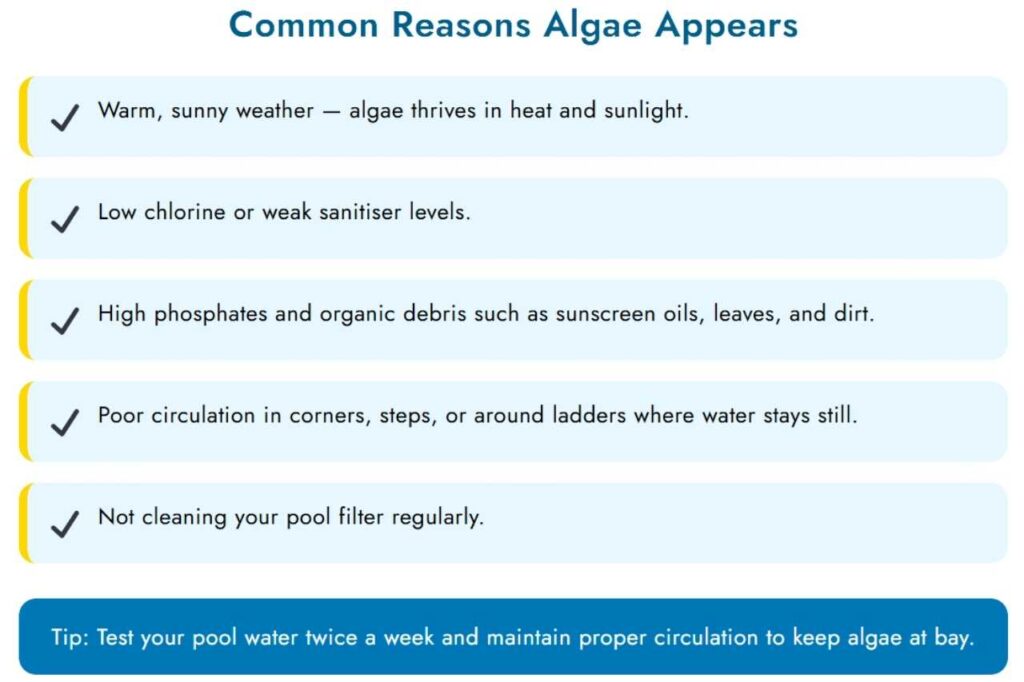
Fibreglass pools are naturally more resistant to algae than concrete pools because their smooth, non-porous gelcoat gives algae fewer places to attach. However, algae can still develop when water chemistry becomes unbalanced, circulation is poor, or organic debris is allowed to accumulate. Once these conditions occur, algae spores can multiply quickly, particularly during warm weather.
1. Unbalanced Water Chemistry
Low sanitiser levels are one of the most common causes of algae growth. When chlorine drops below the recommended range, algae spores are no longer effectively controlled. Unbalanced pH or alkalinity can also reduce the effectiveness of your sanitiser, allowing algae to establish more easily.
2. Poor Circulation and Filtration
Algae thrives in stagnant water. Areas with poor circulation, such as steps, benches, corners and behind ladders, are more likely to develop algae because sanitiser levels are often lower in these locations. Running the filtration system for an adequate period each day helps distribute chemicals evenly throughout the pool.
3. Organic Debris
Leaves, grass clippings, pollen and other organic matter introduce nutrients that encourage algae growth. As debris breaks down, it increases the demand on your sanitiser, making it easier for algae to develop if the pool isn’t cleaned promptly.
4. Warm Weather and Sunlight
Algae reproduces more rapidly in warm water, making outbreaks more common during summer. Heavy rainfall, extended hot weather and increased pool use can also upset water balance, creating favourable conditions for algae growth if not addressed quickly.
How to Keep Your Fibreglass Pool Algae-Free
Keeping a fibreglass pool algae-free relies on consistent water quality, good circulation and routine cleaning. When these work together, algae spores have little opportunity to establish and spread.
1. Maintain Balanced Water Chemistry
Balanced water chemistry allows your sanitiser to work effectively and prevents conditions that encourage algae growth. Check your pool water regularly and keep chlorine, pH and alkalinity within the recommended operating ranges, particularly during summer, after heavy rain or following periods of heavy pool use.
2. Keep Water Circulating
Poor circulation creates stagnant areas where algae can develop, especially around steps, benches, corners and other low-flow areas. Run your pump long enough each day to keep water moving evenly throughout the pool and ensure return jets are directing water into these commonly affected areas.
3. Remove Organic Build-up
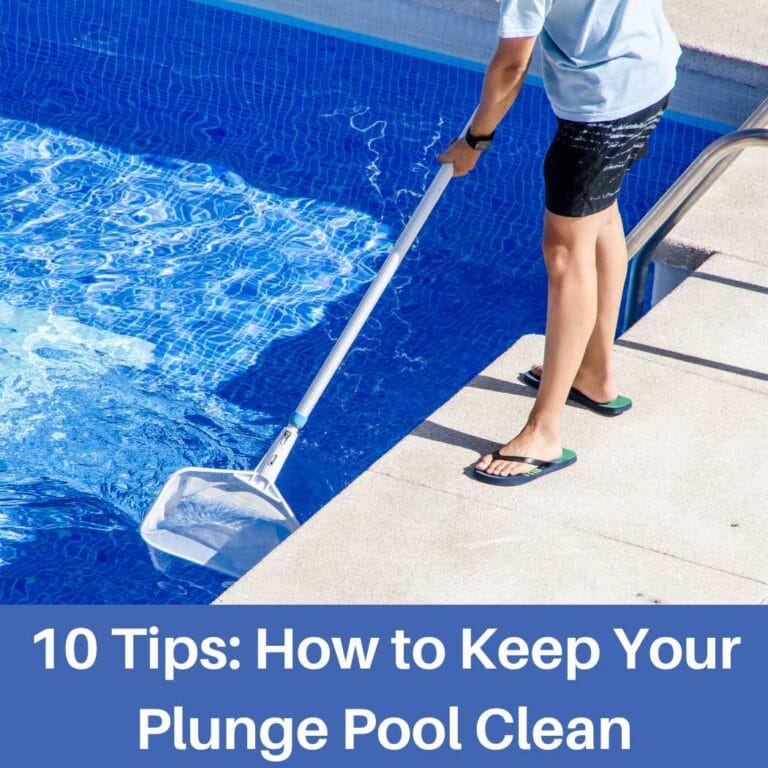
Leaves, grass, pollen and other organic debris provide nutrients that encourage algae growth. Skim the surface regularly and brush areas where debris commonly settles, including steps, seats and corners. Removing this material before it breaks down significantly reduces the risk of algae developing.
4. Clean the Waterline
The waterline is one of the first places where oils, sunscreen and organic residue accumulate. Cleaning this area regularly helps prevent biofilm and algae from developing while keeping the gelcoat free from staining.
If you’re dealing with waterline staining, sunscreen buildup, and easier surface cleaning, learning how to tile a fibreglass pool can improve durability, visibility, and long-term maintenance around high-contact areas.
5. Shock the Pool When Needed
Shock treatments help restore water quality when chlorine has been depleted by contaminants. Consider shocking the pool after prolonged hot weather, heavy rainfall, high swimmer loads or whenever the water begins to look cloudy. Early treatment helps prevent minor water quality issues from developing into a full algae outbreak.
Choosing the Right Algae Control Products
The right products help prevent algae from developing and make recovery easier if an outbreak occurs. Each product has a different role, so using them correctly is more effective than relying on a single treatment.
Chlorine for Everyday Algae Prevention
Chlorine is the primary defence against algae. Maintaining consistent sanitiser levels prevents algae spores from multiplying and keeps the water safe for swimming. Regular testing is essential, particularly during hot weather or periods of heavy pool use.
Saltwater Chlorinators for Consistent Sanitising
Saltwater systems generate chlorine continuously, helping maintain more stable sanitiser levels than manual dosing. This consistent chlorine production reduces the risk of algae developing due to fluctuating water chemistry and is well suited to homeowners looking for a lower-maintenance system.
Algaecides for Extra Protection
Algaecides provide an additional layer of protection during conditions that increase the risk of algae growth, such as extended hot weather, heavy rainfall, or prolonged periods without pool use. They should be used alongside a properly maintained sanitiser, not as a replacement for it.
Shock Treatments for Algae Recovery
Shock treatments are designed to restore water quality when algae begins to develop or the water becomes cloudy. They’re commonly used after storms, heavy swimmer loads, or at the first signs of a green pool. Running the filtration system after shocking helps remove dead algae and restore water clarity.
Common Types of Algae in Fibreglass Pools
Identifying the type of algae is the first step towards choosing the right treatment. While fibreglass pools are naturally more resistant to algae than rough concrete surfaces, poor water balance or circulation can still allow algae to develop.
Green Algae (Most Common)
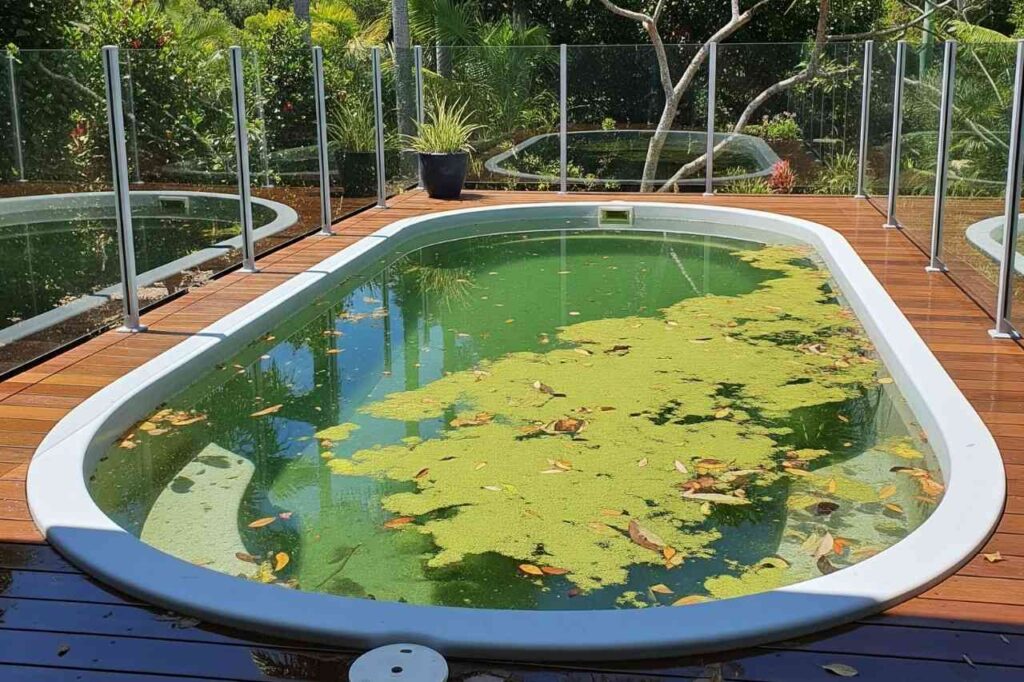
Green algae is the most common type found in swimming pools. It usually causes the water to become cloudy before turning green and can spread quickly when sanitiser levels drop.
In fibreglass pools, green algae typically forms on the surface rather than embedding into the gelcoat, making it easier to remove with brushing, shock treatment and proper filtration.
Yellow (Mustard) Algae
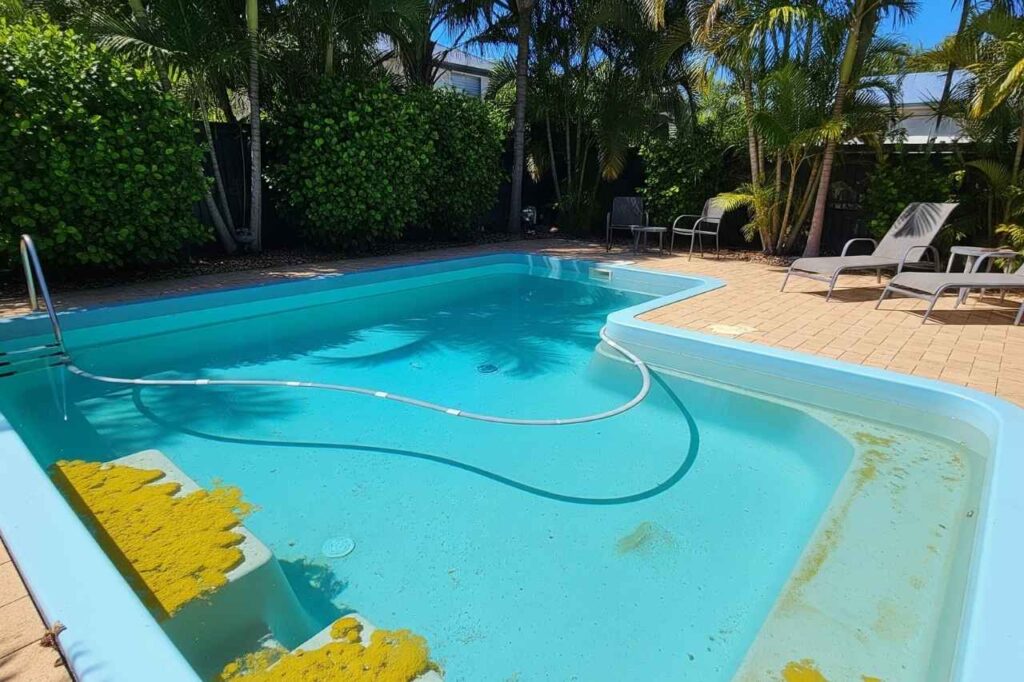
Yellow algae, also known as mustard algae, appears as a yellow or light brown film that commonly develops in shaded areas, on pool walls, steps and behind ladders. It can easily be mistaken for dirt because it brushes away but often returns if the water isn’t treated thoroughly.
Complete removal usually requires targeted brushing, balanced water chemistry and follow-up treatment to prevent regrowth.
Black Algae
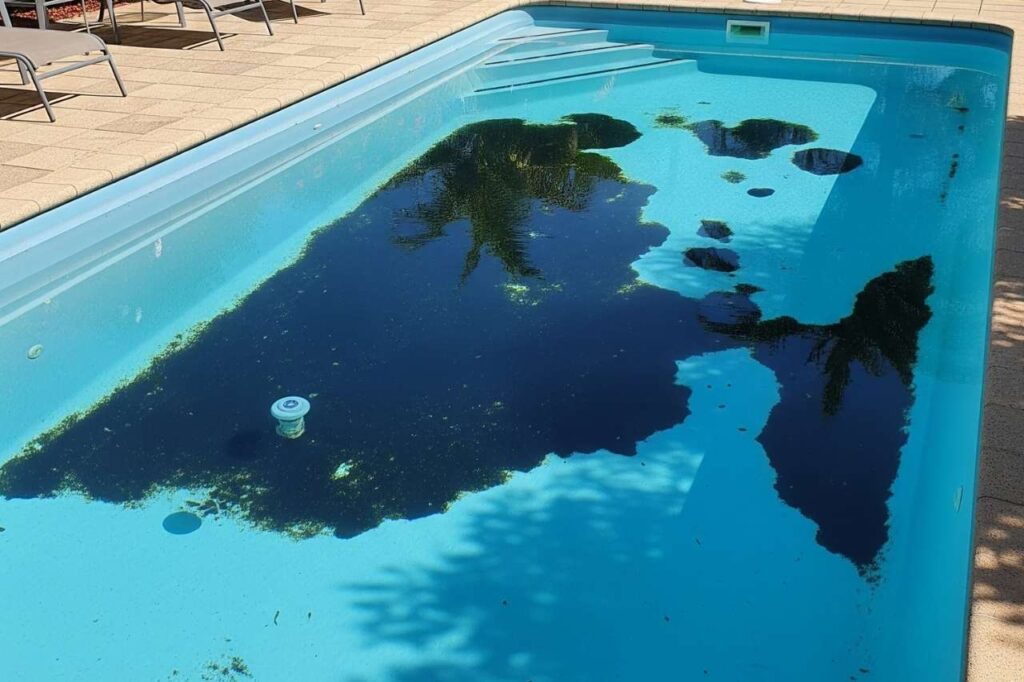
Black algae is the most difficult type to remove. It appears as small dark spots that cling firmly to the pool surface and can resist normal chlorination.
Although less common in fibreglass pools than concrete pools, black algae can still develop if algae is left untreated for an extended period. Early treatment gives the best chance of preventing it from becoming established.
Pink Slime (Not True Algae)
Pink slime is a bacterial biofilm rather than true algae. It usually develops around waterlines, skimmer boxes, return fittings and other low-circulation areas, appearing as a pink, orange or reddish film.
Improving circulation, cleaning affected surfaces thoroughly and maintaining proper sanitiser levels are the most effective ways to prevent it from returning.
How to Fix a Green Fibreglass Pool
If your fibreglass pool has turned green, act quickly before the algae spreads further. Restoring clear water involves removing algae from the pool surface, correcting the water chemistry, and filtering the dead algae from the water.
Step 1: Brush the Pool Surface
Brush the walls, floor, steps and corners using a fibreglass-safe pool brush. This breaks up the algae layer, allowing chlorine to penetrate and kill the algae more effectively. Pay particular attention to shaded areas and places with poor water circulation, where algae often establishes first.
Step 2: Test and Rebalance the Water
Before adding chemicals, test the pool water to check the sanitiser, pH and alkalinity levels. Correcting these first ensures the shock treatment works efficiently and prevents algae from surviving due to unbalanced water chemistry.
Step 3: Shock the Pool
Apply a pool shock according to the manufacturer’s instructions, preferably in the evening to reduce chlorine loss from sunlight. Leave the pump running so the treatment circulates evenly throughout the pool.
Step 4: Run the Filtration System Continuously
Run the filtration system continuously for at least 24 to 48 hours after shocking. This removes dead algae from the water and helps restore clarity. Monitor the filter pressure and clean or backwash the filter if required to maintain proper water flow.
Step 5: Vacuum Remaining Debris
Once the algae has died, vacuum the pool thoroughly to remove settled algae and other debris from the floor. Leaving dead algae in the pool can cloud the water and increase the load on the filtration system.
Step 6: Prevent Another Outbreak
After the water is clear, retest the water chemistry and restore the sanitiser to its normal operating level. If algae outbreaks commonly occur after heavy rain, prolonged hot weather or extended periods without pool use, consider using a fibreglass-safe algaecide as an additional preventative measure.
Long-Term Algae Prevention for Fibreglass Pools
Preventing algae is easier than treating it. A consistent maintenance routine keeps algae spores from establishing while protecting your fibreglass pool’s smooth gelcoat surface.
1. Maintain Stable Water Chemistry
Algae thrives when sanitiser levels fall or water chemistry becomes unbalanced. Test your pool regularly and keep chlorine, pH and alkalinity within the recommended operating ranges. Stable water chemistry allows your sanitiser to work efficiently and prevents conditions that encourage algae growth.
2. Minimise Organic Contamination
Leaves, grass, pollen and other organic debris introduce nutrients that algae feeds on. Skim the surface regularly, remove debris from the pool floor, and use a pool cover when the pool is not in use. After storms or periods of heavy leaf fall, inspect the pool promptly before debris begins to break down.
3. Eliminate Low-Circulation Areas
Algae commonly develops in areas where water movement is limited, including steps, benches, corners and around ladders. Ensure return jets provide adequate circulation throughout the pool and run the filtration system for long enough each day to prevent stagnant water.
4. Protect the Fibreglass Gelcoat
The smooth, non-porous gelcoat makes fibreglass pools naturally more resistant to algae than rough concrete surfaces. Keep the surface clean using fibreglass-safe brushes and cleaning products, and repair any chips or damage promptly to prevent dirt and algae from collecting in affected areas.
For a complete guide to routine cleaning, equipment inspections and weekly maintenance, read our guide on keeping your plunge pool clean.
Conclusion
Keeping a fibreglass pool algae-free comes down to consistency. Balanced water chemistry, good circulation and prompt removal of organic debris create an environment where algae struggles to establish. Acting quickly when water becomes cloudy or algae first appears is far easier than recovering from a full outbreak.
While fibreglass pools naturally resist algae better than rough concrete surfaces, they still benefit from regular monitoring and preventative care throughout the year, particularly during summer and after heavy rainfall.
At Plunge Pools Sunshine Coast, we design and install fibreglass pools that are built for easy maintenance and long-term performance. If you’re planning a new pool or need expert advice, contact our team for tailored recommendations.
FAQs
How often should I test the water in a fibreglass pool?
Most pools should be tested at least two to three times per week, especially during summer or periods of heavy use. Larger pools may require more consistent monitoring to maintain balanced water chemistry.
What is the best way to prevent algae in a fibreglass pool?
The most effective approach is maintaining proper chlorine levels, good circulation, and regular cleaning. Consistency is more important than using excessive chemicals.
Are saltwater systems better for algae prevention?
Saltwater systems help maintain more stable chlorine levels automatically, which can make algae prevention easier over time. They are often preferred for low-maintenance pool setups.
Can algae damage a fibreglass pool?
Algae itself usually does not damage the fibreglass shell, but prolonged buildup can stain surfaces, affect water quality, and place extra strain on the filtration system.
Why does algae keep returning after treatment?
Recurring algae is often caused by incomplete treatment, poor circulation, unbalanced water, or contaminated filters. Addressing the underlying cause is essential to stop it from returning.
Do fibreglass pools get less algae than concrete pools?
Yes. Fibreglass pools have a smooth, non-porous surface that makes it harder for algae to attach compared to rough concrete surfaces. This generally makes them easier to maintain over time.