At Plunge Pools Sunshine Coast, we specialise in full-size fibreglass pool installations. We assess your site, plan the layout, and handle the groundwork to ensure everything is built correctly from the start. Our team understands local soil conditions, council regulations, and what works for different backyard layouts across the Sunshine Coast.
In this guide, we’ll walk you through the key factors that determine whether your backyard is suitable for a large fibreglass pool including space requirements, ground conditions, drainage, approvals, and common mistakes to avoid.
Key Factors for Large Fibreglass Pool Installation
Planning a large inground fibreglass pool isn’t just about choosing a design. Your backyard needs the right space, access, soil stability, slope, and drainage to ensure the pool is installed safely and performs properly long-term.
1. How Much Space Do You Need?
For a full-size fibreglass pool, space is one of the biggest factors. Most large pools start from around 6m to 10m+ in length, but you also need additional space around the pool for access, safety, and usability.
Here’s a practical guide:
- Extra clearance needed: Allow at least 1m – 1.5m around the pool for walkways, coping, and maintenance
- Standard family pools (6m – 8m): Suitable for most residential backyards
- Large pools (8m – 10m+): Require wider yards and better access
2. The 25–30% Backyard Rule
A good rule of thumb is to allocate 25–30% of your backyard to the pool and surrounding area.
This ensures:
- A balanced outdoor layout (not overcrowded)
- Enough room for movement and access
- Space for seating, landscaping, and entertaining
3. Access Requirements (Often Overlooked)
Even if your backyard has enough space, access can be a limiting factor.
For large fibreglass pool installations:
- Delivery width typically requires 2.5m – 3m access
- Tight access may require crane installation
4. Matching Pool Size to Lifestyle
Choosing the right size isn’t just about what fits, it’s about how you’ll use the pool.
- Family use & entertaining: 7m – 9m pools
- Swimming & exercise: 8m – 10m+ pools
- Multi-use (kids + adults): wider layouts with shallow and deep zones
Why Backyard Access Matters for Large Fibreglass Pool Installation
Installing a large inground fibreglass pool isn’t just about having enough backyard space, you also need proper access for excavation, delivery, and installation. Unlike smaller builds, large fibreglass pools are delivered as a single-piece shell, which means access plays a major role in both cost and feasibility.
What Access Is Typically Required?
For most large pool installations:
- Minimum access width: 2.5m – 3m for machinery
- Space for excavation equipment and soil removal
- Clear path from the street to the backyard
What If Access Is Limited?
Limited access doesn’t mean you can’t install a pool, but it does change how the job is done.
Common Solutions:
1. Crane Installation
The pool shell is lifted over the house and placed directly into position.
Pros: Fast and efficient
Cons: Adds $2,000 – $10,000+ to the project
2. Mini Excavators
Smaller machines are used for digging in tight spaces.
Pros: Works for restricted access
Cons: Slower and more labour-intensive
3. Manual Excavation
Used when machinery cannot access the site.
Pros: Can be done in extremely tight spaces
Cons: Significantly increases time and labour costs
Access, Time, Cost, and Complexity
Backyard access has a direct impact on your project.
- Good access leads to faster installation and lower labour costs
- Restricted access results in longer build times, the need for specialised equipment, and higher overall costs
For large fibreglass pools, access is often one of the biggest hidden cost factors.
Local Regulations and Pool Placement
Before installing a large inground fibreglass pool, you need to make sure your backyard meets local council requirements. Pool placement isn’t just about where it fits, it must comply with setbacks, safety laws, and underground service restrictions.
Key Placement Requirements
- Setback rules – Minimum distance from property boundaries and structures
- Pool fencing laws – Mandatory safety barriers around the pool area
- Utility locations – Pools cannot be installed over sewer, stormwater, gas, or electrical lines
Large pools take up more space, so positioning needs to be planned carefully to meet all requirements.
Common Restrictions for Large Pools
Most councils across Australia require:
- Pools to be at least 1.5m to 2m from property boundaries
- Clear separation from underground services
- Enough space for compliant fencing and access
Because large fibreglass pools have a bigger footprint, these restrictions can directly affect where your pool can be installed.
Permits and Approvals
Before construction begins, you’ll typically need to:
- Pass a final inspection before the pool can be filled and used
- Submit a pool permit application to your local council or certifier
- Provide site plans and engineering drawings
- Ensure the design meets Australian safety standards (AS 1926)
Sunlight and Wind: How They Affect Your Pool
The position of your large fibreglass pool plays a bigger role than most homeowners expect. It doesn’t just affect how the pool looks — it impacts water temperature, maintenance, and long-term running costs.
Sunlight is one of the biggest advantages you can get right from the start. A pool that receives consistent sun exposure will stay naturally warmer, reducing the need for heating and making it more comfortable to use throughout the year. In Australia, a north-facing position is typically the most effective, as it captures the most sunlight during the day.
Wind, on the other hand, can work against you. Strong exposure can cool the water faster, increase evaporation, and bring in more debris. This means more cleaning and higher running costs over time. If your yard is exposed, it’s worth planning some protection early.
A few simple ways to manage wind include:
- Positioning the pool in a naturally sheltered area
- Installing fencing, walls, or hedges as wind barriers
- Avoiding placement directly under large trees that drop leaves
Soil and Backyard Terrain
What’s beneath your pool is just as important as what’s above it. For a large fibreglass pool, the ground conditions directly affect how stable the installation will be and how much preparation is required.
Some sites are straightforward, especially when the soil is firm and stable. Others need more work before installation can begin. Clay-heavy soil can shift over time, sandy ground may require additional support, and rocky terrain often increases excavation costs. If there’s a high water table, drainage solutions may also be needed to prevent long-term issues.
In practical terms, soil conditions influence three key things:
- Stability, which keeps the pool secure over time
- Drainage, which prevents water buildup around the structure
- Installation cost, especially when excavation becomes more complex
For larger pools, these factors become even more important because of the increased size and weight of the structure. A poorly prepared base can lead to costly problems later, so it’s always worth getting this assessed properly before starting the build.
DIY Soil Testing: Can Your Backyard Handle a Large Fibreglass Pool?
Before installing a large inground fibreglass pool, it’s important to understand what’s happening beneath your backyard. Soil conditions affect how stable the pool will be, how well water drains, and how much preparation is needed before installation begins.
A quick DIY test won’t replace a professional assessment, but it can give you a clear early signal of whether your site is straightforward or may require additional work.
How to Do a Simple Soil Test
Start by digging a hole around 30cm deep in the planned pool area. As you dig, pay attention to how the soil feels and behaves.
- Loose and crumbly soil usually indicates sand. It drains well but may need compaction to support a large pool.
- Sticky and dense soil is often clay. It holds water and can shift, which may require additional ground preparation.
- Hard or rocky ground is more difficult to excavate and typically increases installation time and cost.
This simple check already gives you a rough idea of how complex your installation might be.
Check How Water Drains
After digging the hole, fill it with water and observe how it drains over time.
- If the water drains quickly, the soil may not hold its shape well and could need stabilisation.
- If the water drains slowly, it usually means poor drainage, which may require additional solutions to prevent water buildup.
For larger pools, drainage becomes more important because of the increased weight and ground pressure.
When to Get a Professional Assessment
If the results are unclear or if you’re planning a large fibreglass pool installation, it’s best to get a professional site inspection or geotechnical report.
This helps confirm:
- Soil stability
- Drainage conditions
- Any additional preparation required before installation
Backyard Terrain and Pool Installation: What You Need to Know
Your backyard terrain has a direct impact on how a large inground fibreglass pool is installed, how long it takes, and how much it costs. While most sites can be adapted, the slope and ground conditions will determine how much preparation is required before installation begins.
Flat vs Sloped Yards
Flat yards are the easiest to work with. Installation is usually faster, more straightforward, and more cost-effective because there’s less need for structural work.
Sloped yards can still support a large fibreglass pool, but they require additional planning. A slight slope may only need minor excavation or ground levelling. Steeper blocks, however, often require engineered solutions such as retaining walls to stabilise the area and prevent soil movement over time.
In simple terms:
- Flat yards are the most cost-efficient
- Moderate slopes require preparation
- Steep sites involve structural work and higher costs
How Sloped Yards Are Managed
If your backyard isn’t level, it doesn’t rule out a pool, it just changes how the site is prepared.
Common solutions include excavation and levelling to create a stable base, as well as retaining walls to support surrounding soil. In some cases, drainage systems are also installed to manage water flow and prevent pressure buildup around the pool structure.
For larger pools, these steps are critical because of the increased weight and footprint. Skipping proper preparation can lead to movement or long-term structural issues.
Rocky Ground and Excavation Challenges
Rocky soil is one of the biggest cost drivers in pool installation. Unlike standard excavation, rock requires specialised equipment and significantly more time to remove.
This usually means:
- Slower excavation progress
- Higher labour and machinery costs
- Additional groundwork before installation can begin
If your site has rock beneath the surface, it’s best to factor this into your budget early rather than treating it as an unexpected extra.
High Water Table and Drainage: Why It Matters
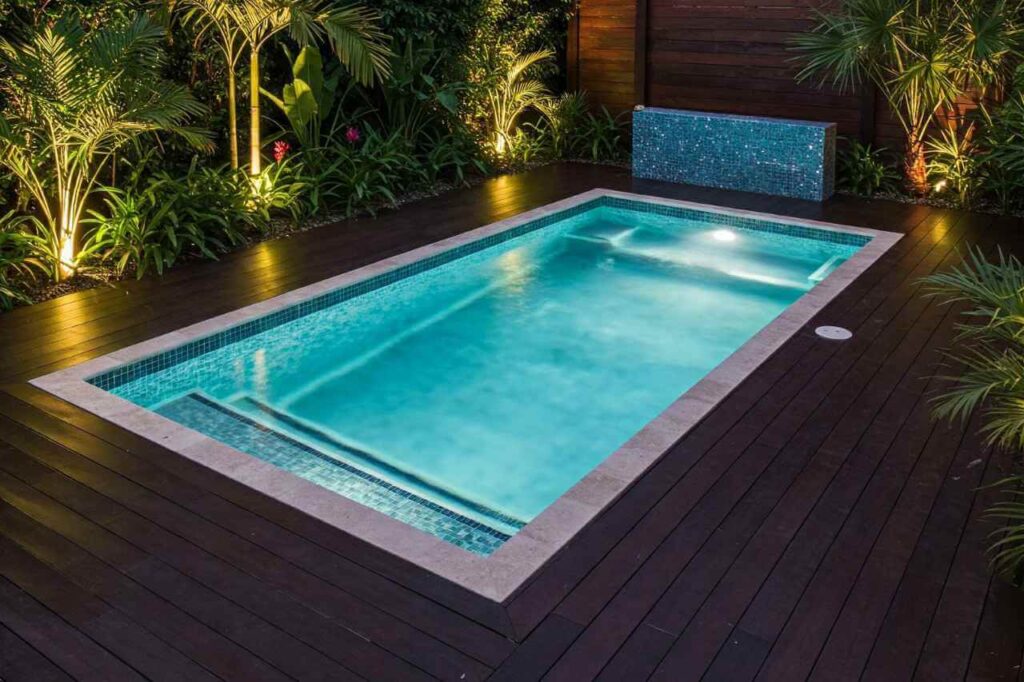
A high water table means groundwater sits close to the surface. For a large inground fibreglass pool, this can create serious issues if it’s not managed properly.
When water builds up beneath the pool, it can place pressure on the structure. Over time, this may lead to movement, shifting, or long-term structural problems. Because large pools have a bigger footprint and weight, they are more sensitive to poor drainage conditions.
Signs Your Yard May Have a High Water Table
You don’t always need a report to spot early warning signs. In many cases, your backyard already shows it.
- Water pooling or slow drainage after heavy rain
- Moist soil or standing water when digging holes
- Nearby properties using drainage systems to manage excess water
If you notice any of these, it’s worth investigating further before planning your pool installation.
How Drainage Issues Are Managed
The good news is that a high water table doesn’t mean you can’t install a pool. It just means the site needs the right preparation.
Common solutions include installing drainage systems that move water away from the pool area. In some cases, a sump pump is used to remove excess groundwater, while sub-base materials like gravel or sand help improve drainage and stability beneath the pool.
For larger pools, these systems are often essential to ensure the structure remains stable over time.
Budgeting for Your Dream Pool
Installing a large inground fibreglass pool is more than just choosing a size and design. The condition of your backyard plays a major role in the final cost, especially for full-size pools that require more space, excavation, and structural preparation.
Some sites are straightforward and cost-effective to build on. Others need additional work before installation can begin. Planning for these factors early helps you avoid unexpected costs and keeps your budget under control.
How Backyard Conditions Affect Installation Costs
Every backyard is different, and certain conditions can increase the overall cost of your project depending on the level of preparation required.
| Backyard Condition | Cost Impact | Why It Matters |
|---|---|---|
| Flat, open yard | Low ($) | Easier excavation and faster installation |
| Slight slope | Medium ($$) | May require levelling or minor retaining work |
| Steep or sloping block | High ($$$) | Needs engineered retaining walls and site preparation |
| Rocky soil | High ($$$) | Requires specialised excavation equipment and more time |
| High water table | High ($$$) | Needs drainage systems to protect the pool structure |
| Limited access | Medium–High ($$–$$$) | May require crane installation or smaller machinery |
What This Means for Your Budget
For large fibreglass pools, these site-related factors are often the biggest reason projects go over budget. The base pool cost is usually predictable, but ground conditions and access requirements can add thousands if they’re not accounted for early.
Budgeting Tips and Cost-Saving Strategies
Planning a large fibreglass pool doesn’t mean cutting corners, it means making smart decisions early so you stay within budget without sacrificing quality. The biggest savings don’t come from choosing a completely different pool type. They come from how you design, plan, and stage your installation.
1. Choose the Right Size and Layout
Pool size has a direct impact on cost. Larger pools require more excavation, bigger equipment, and more materials.
Instead of going for the biggest option straight away, choose a size that fits both your space and how you’ll actually use the pool. A well-planned 8m to 9m pool often delivers the best balance between usability and cost.
Keeping the shape simple such as a standard rectangular layout also helps reduce manufacturing and installation complexity.
2. Keep the Design Practical First
It’s easy to increase your budget by adding features too early. Heating systems, water features, and automation all add value, but they can be installed later.
Start with the essentials:
- Pool shell and structure
- Filtration system
- Safety and compliance
You can upgrade finishes and features once the pool is installed and your budget allows.
3. Plan for Site Conditions Early
Backyard conditions are one of the biggest cost variables. Slopes, rock, drainage issues, or limited access can increase your budget quickly if they’re discovered late.
Getting a site inspection early helps you:
- Understand real installation costs
- Avoid unexpected excavation expenses
- Plan the most cost-effective layout
Because site access, soil stability, drainage systems, and excavation complexity directly affect overall project pricing for full-size fibreglass pools, understanding large pool cost helps homeowners plan realistic budgets and avoid unexpected installation expenses.
Why Fibreglass Is the Most Cost-Effective Option
For large residential pools, fibreglass offers one of the best balances between cost, speed, and durability.
Compared to other options:
- It installs faster than concrete
- Requires less maintenance over time
- Works well across different soil types with proper preparation
Concrete pools allow full customisation but come with higher labour costs and longer build times. Precast options can also be efficient, but fibreglass remains the most practical choice for most full-size backyard installations.
Avoiding Common Pool Planning Mistakes
Planning a large inground fibreglass pool is a major investment, and most issues don’t come from the build itself — they come from decisions made early in the planning stage.
Homeowners often focus on the pool design and overlook how it fits into the overall backyard. That’s where extra costs, delays, and long-term problems usually start. Here are the most common mistakes to avoid.
1. Choosing the Wrong Pool Size
Why Bigger Isn’t Always Better
A large pool adds value, but it still needs to suit your space. Going too big without considering the full layout can create more problems than benefits. An oversized pool can reduce space for entertaining, increase heating and maintenance costs, and make the backyard feel crowded instead of open and functional.
How to Choose the Right Size
Instead of going for the biggest option, focus on how the pool will actually be used. A well-planned 7m to 9m pool is often enough for family use, swimming, and entertaining without taking over the entire yard.
The 25–30% rule is a good guide, your pool and surrounding area should not dominate the whole backyard. It’s also worth considering how many people will use the pool regularly and how much space you want to keep for other outdoor features.
2. Not Planning the Surrounding Space
Why It Matters
A pool should work with your backyard, not overpower it. One of the most common mistakes is installing the pool first and thinking about landscaping later. This often leads to costly changes just to make the space usable.
Plan Ahead
Think about how the entire area will function once the pool is installed. This includes movement, seating, and practical access.
Key considerations include:
- Space for seating or entertaining areas
- Clear walkways around the pool
- Shading options such as pergolas or umbrellas
- Easy access to pool equipment for maintenance
Planning these early ensures everything works together from the start.
3. Ignoring Local Regulations and Property Lines
How Poor Placement Can Cost You
Pool placement must comply with local council requirements. Ignoring these rules can lead to delays, redesigns, or additional costs before construction even begins. For large fibreglass pools, this becomes more critical due to the size and fixed shape of the pool shell.
Common issues include:
- Fines or delays from council approval
- Expensive repositioning if setbacks are not met
- Compliance issues when selling the property
- Structural risks if placed too close to buildings
Check Before You Build
Before installation, make sure your layout is compliant.
- Request a “Dial Before You Dig” report to identify underground utilities
- Confirm setback requirements with your local council
- Work with a licensed pool builder familiar with Sunshine Coast regulations
4. Overlooking Drainage and Soil Stability
Why Drainage Matters
Poor drainage is one of the most common causes of long-term pool issues. When water builds up around the pool, it can lead to soil movement and structural stress. This can result in shifting ground, water pooling around the area, and increased maintenance over time.
How to Manage It
Drainage needs to be planned as part of the installation. Common solutions include installing drainage systems such as French drains or sump pumps, positioning the pool in a well-drained area, and ensuring the ground slopes away from the structure to direct water runoff. For large pools, these steps are essential due to the added weight and surface area.
5. Ignoring Maintenance and Ongoing Costs
Why It Matters
Installation is only part of the investment. Ongoing costs are often overlooked, even though they affect how easy and affordable the pool is to maintain over time. Even low-maintenance fibreglass pools require regular care to stay clean and efficient. This includes water treatment, equipment servicing, and energy costs for pumps and heating.
How to Keep Costs Under Control
You don’t need to cut corners, just make smart choices early.
Using a high-efficiency pump, considering solar heating, and installing a pool cover can all reduce long-term expenses. Proper maintenance also helps protect your pool and ensures it performs well for years to come.
Next Steps – Bringing Your Dream Pool to Life
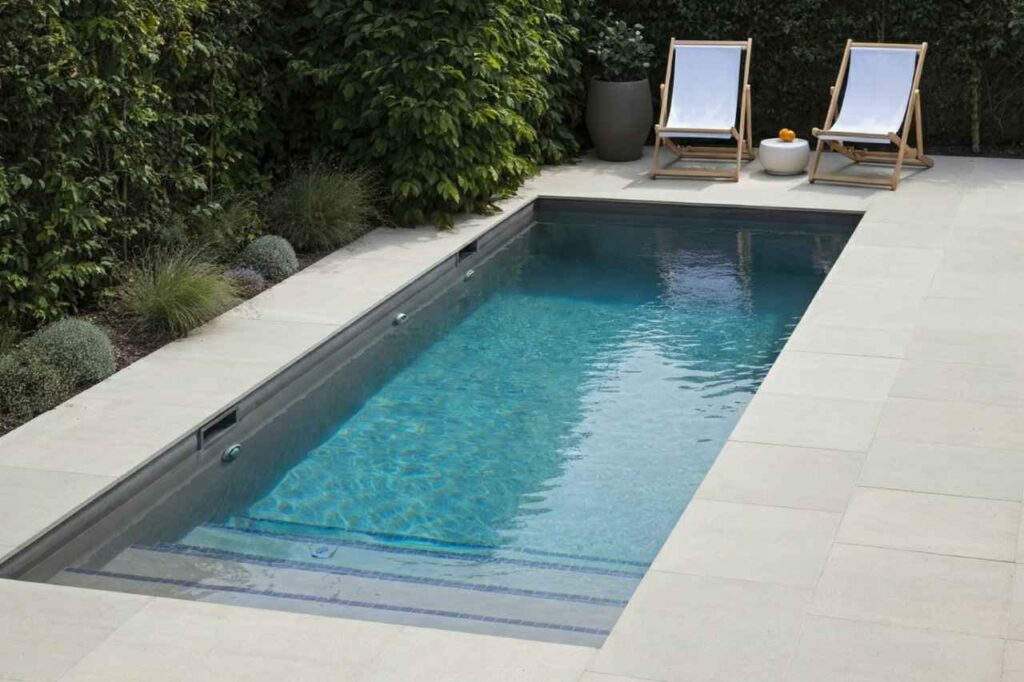
You now understand what goes into planning a large inground fibreglass pool. The next step is turning that plan into a real project and making sure it’s done properly from the start.
1. Start with a Professional Consultation
The most important first step is speaking with a qualified pool builder. For large fibreglass pools, a proper site assessment can prevent costly mistakes and give you a clear direction before any work begins.
During a consultation, you can expect a full evaluation of your backyard, including space, access, soil conditions, and drainage. Based on this, you’ll receive practical recommendations on pool size, layout, and positioning along with a detailed breakdown of costs covering excavation, permits, and installation.
This step removes guesswork and helps you plan your budget with confidence.
For Sunshine Coast properties with sloped blocks, tight access, or complex soil conditions, working with experienced fibreglass pool builders ensures proper site assessment, compliant installation, and long-term structural performance.
2. Choose the Right Pool Design and Features
For most homeowners, fibreglass remains the most practical choice for full-size pools. It offers faster installation, lower maintenance, and reliable long-term performance when installed correctly.
Other options like concrete or precast pools may suit specific needs, but they often involve longer build times or higher costs. The key is choosing a solution that matches your space, budget, and how you plan to use the pool.
Once the base design is set, you can start thinking about features that improve usability. Heating systems help extend the swimming season, while lighting and automation make the pool easier to use and maintain. These upgrades can be added in stages, so it’s often best to prioritise the essentials first.
3. Plan the Full Backyard Layout
A pool should feel like part of a complete outdoor space, not just a standalone feature. This is where many projects fall short, the pool is installed, but the surrounding area isn’t fully planned.
Think about how the space will be used day to day. Seating areas, walkways, and access points all affect how functional the backyard becomes. Elements like decking, landscaping, and outdoor cooking areas can turn a simple pool into a space that’s built for relaxing and entertaining.
Getting this layout right early helps avoid costly changes later.
After confirming your backyard layout, drainage setup, and access requirements, reviewing the full fibreglass installation process helps you understand each stage from excavation and shell placement to plumbing, certification, and final handover.
Conclusion
A large inground fibreglass pool can completely transform your backyard into a functional space for swimming, relaxing, and entertaining. The key to getting it right is proper planning; from assessing space, soil conditions, and access to understanding regulations and setting a realistic budget.
When everything is planned early, the installation process becomes smoother, costs stay under control, and the final result is a pool that’s built to last.
At Plunge Pools Sunshine Coast, we specialise in full-size fibreglass pool installations designed to suit real backyards including sloped blocks, tight access sites, and more complex conditions. We provide clear advice, practical solutions, and a step-by-step process so you know exactly what to expect.
Ready to take the next step? Speak with our team for a site assessment and detailed quote, and start planning a large fibreglass pool that fits your space and how you want to use it.
People Also Ask
1. Can You Install a Fibreglass Pool on a Slope?
Yes, but proper preparation is key. Solutions include excavation, retaining walls, and partially above-ground pools to keep it stable. Drainage planning is a must to prevent water run off from causing damage. Get a professional assessment before building on a slope.
2. What Type of Soil is Best for a Fibreglass Pool?
The best soil is firm and well-draining, like sandy loam or compacted clay. Rocky soil, expansive clay, or a high water table may require extra groundwork, such as soil stabilisation or drainage systems, to prevent shifting and ensure durability.
3. How Close Can a Fibreglass Pool Be to a House or Boundary?
Most councils require at least 1.5 to 2 metres between the pool that is installed and property boundaries. Distance from the house also matters. Regulations vary, so always check Sunshine Coast council guidelines before installation.
4. What Permits Do You Need to Install a Fibreglass Pool?
You need a pool building permit, fencing approval, and site plan submission. Some locations also require a soil report and drainage plan. A final safety inspection is mandatory before using the pool in your backyard.
5. Can a Fibreglass Pool Pop Out of the Ground?
Only if installed incorrectly or if groundwater pressure builds up underneath. Proper installation includes gravel backfilling, hydrostatic valves, and a solid drainage system. Hire an experienced pool builder to avoid structural issues.