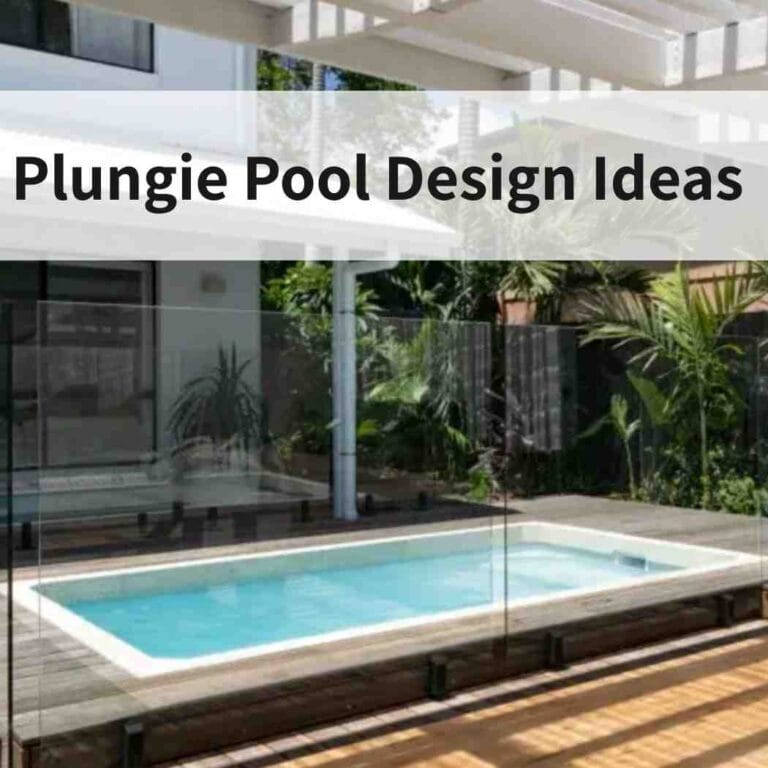
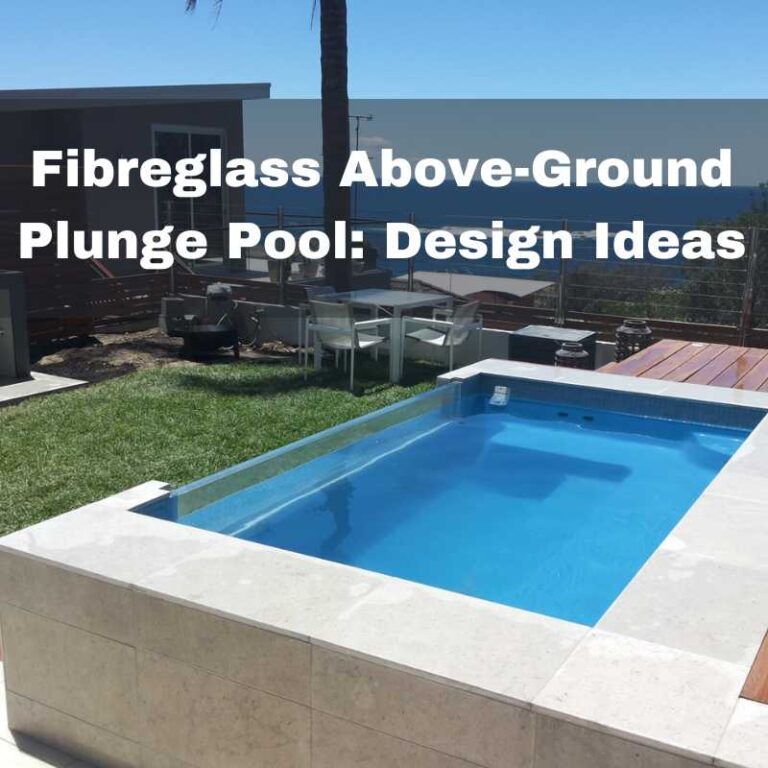
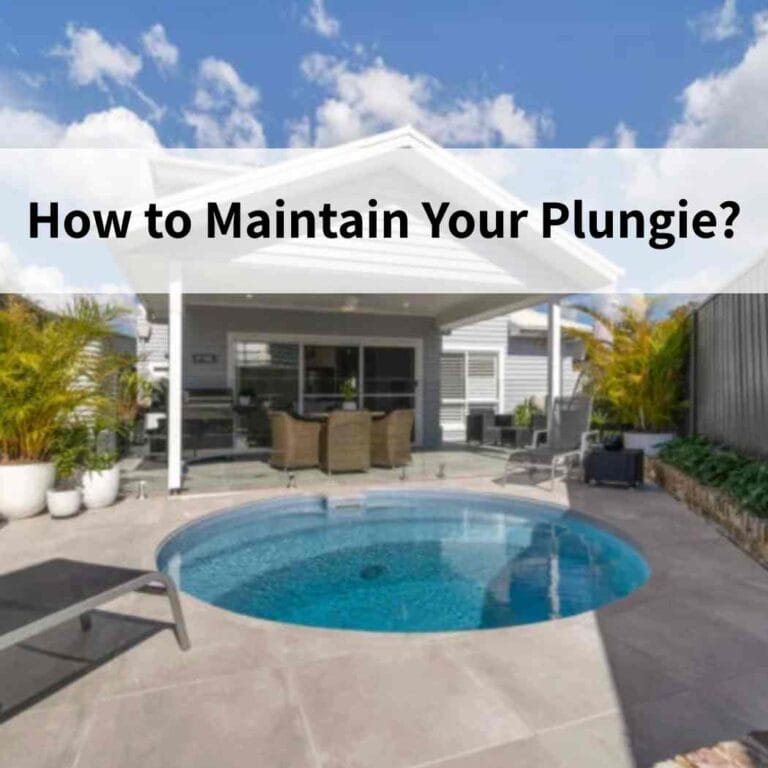
At Plunge Pools Sunshine Coast, we design and install fibreglass above-ground plunge pools for local homeowners. Our team has years of experience creating durable, easy-to-maintain pools that look great and work well.
This guide covers the structural benefits of above-ground fibreglass builds, site suitability, step-by-step installation, inspiring design ideas, and practical tips to transform your yard into an inviting oasis. Let’s dive in!
Can Fibreglass Pools Be Installed Above Ground?
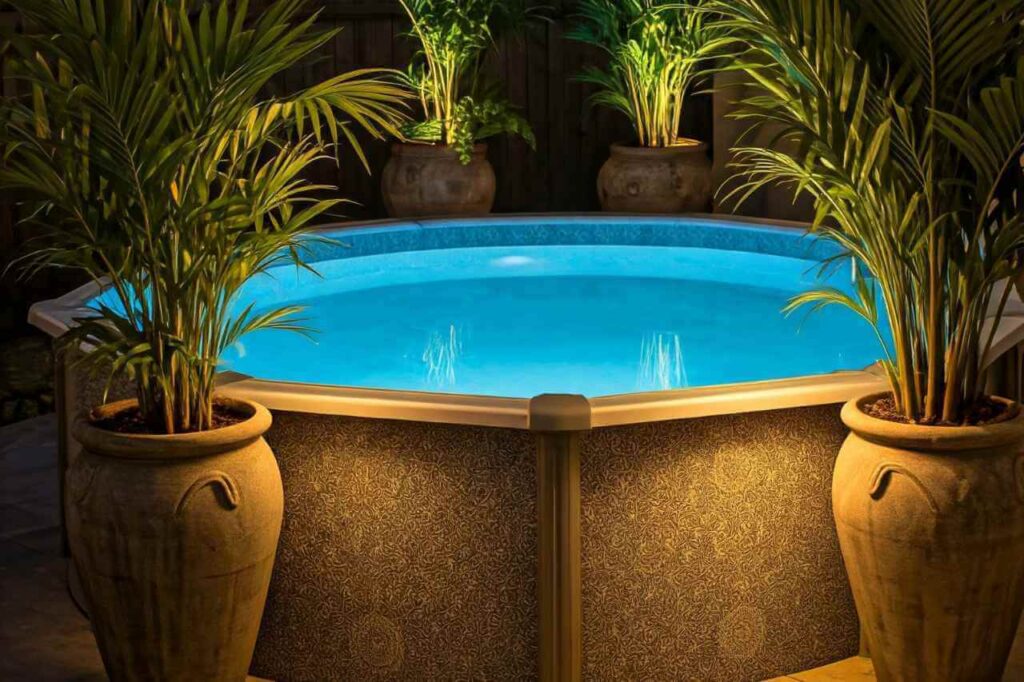
Yes, fibreglass pools can be installed above ground, and in many cases, it is one of the most practical solutions for challenging backyard conditions. Above-ground or partially above-ground installation is commonly used when full excavation is not ideal or cost-effective.
For homeowners planning a plunge pool or full-size fibreglass pool, this method delivers the exact same swimming space, depth, and structural durability. With the right surround such as timber or composite decking, retaining walls, and surrounding landscaping an above-ground pool integrates seamlessly into a clean, modern outdoor living area.
Above-Ground vs Partially Inground Fibreglass Pools
Fibreglass pools can be configured in different ways depending on your property layout, soil conditions, and site access. For raised setups, there are two main approaches:
1. Partially Inground Fibreglass Pools
A partially inground pool is installed with part of the shell below ground and part exposed above the surface. This method is ideal for sloped blocks or uneven terrain where full excavation would be difficult or costly. Instead of cutting into the entire slope, the pool follows the natural contour of the land. The exposed section is then finished with decking, retaining walls, or terraced gardens.
2. Fully Above-Ground Fibreglass Pools
A fully above-ground fibreglass pool sits entirely above the natural ground level, supported by a engineered base and structural support. This approach suits properties where digging is impossible due to underground utilities, high water tables, rocky soil, or strict machinery access limitations.
When Above-Ground Fibreglass Pools Make Sense
Installing above ground is often the smartest choice when your backyard presents site challenges:
- Sloping or Uneven Blocks: Reduces the need for massive earthworks, deep excavation, and costly retaining walls.
- High Water Table or Drainage Issues: Avoids deep digging in areas where groundwater pressure could compromise traditional inground excavation.
- Difficult Soil Conditions: Eliminates heavy rock-breaking or extensive soil stabilization required for reactive clay or rocky ground.
- Limited Access for Machinery: Ideal for urban or tight-access properties where heavy excavators cannot easily enter.
- Faster Build Times: Minimal groundwork translates to shorter construction timelines and less disruption to your yard.
Comparing Above-Ground Pool Materials
The right pool material depends on your budget, site conditions, and long-term goals. While several above-ground pool options are available, fibreglass provides the best balance of durability, installation speed, and ongoing maintenance for most Sunshine Coast homes.
| Material | Best For | Advantages | Considerations |
|---|---|---|---|
| Fibreglass | Most residential installations | Fast installation, low maintenance, smooth gelcoat finish, lightweight shell | Available in factory-moulded shapes and sizes |
| Precast Concrete | Premium architectural projects | Strong engineered construction, durable, suitable for challenging sites | Higher installation costs and heavier lifting requirements |
| Modular or Container Pools | Temporary or portable installations | Quick setup and relocatable | Fewer design options and a less integrated appearance |
For most homeowners, a fibreglass above-ground plunge pool offers the best combination of installation efficiency, low maintenance, and long-term value, particularly when paired with quality decking and landscaping.
Benefits of Above-Ground Fibreglass Builds
Beyond solving site challenges, above-ground fibreglass plunge pools offer long-term advantages:
- Reduced Build Costs: Cutting back on excavation and soil removal significantly lowers initial site preparation expenses.
- Flexible Design Integration: Raised pool walls create visual height and natural zoning in your backyard, opening up options for multi-level decking, sunken seating, or retaining wall integration.
- Low Maintenance: Fibreglass shells feature a smooth, non-porous gelcoat surface that resists algae growth, requiring fewer chemicals and less scrubbing over time.
- Structural Strength: Engineered fibreglass shells retain their structural integrity whether fully supported by earth or housed within raised structural framing.
Typical Budget Expectations
The cost of an above-ground fibreglass plunge pool varies depending on the pool size, site conditions, access, and the level of finishes you choose. Features such as decking, retaining walls, heating systems, landscaping, and automation can also affect the overall investment.
| Pool Type | Indicative Investment* |
|---|---|
| Standard prefabricated fibreglass plunge pool | $10,000–$20,000+ |
| Premium fibreglass installation with custom finishes | $20,000–$40,000+ |
| Architecturally designed above-ground pool projects | $40,000+ |
*These figures are indicative only and vary between projects. A site assessment is the best way to determine an accurate quote based on your property’s requirements.
While above-ground installations can reduce excavation costs, the final price depends on factors such as engineering requirements, structural supports, access for cranes or machinery, plumbing, electrical work, and the surrounding landscaping. Investing in quality materials and professional installation helps ensure long-term performance and lower maintenance costs.
Ongoing Running Costs
In addition to the initial installation, it’s important to budget for ongoing pool maintenance. Regular expenses include electricity for filtration and heating, water treatment, chemicals or mineral systems, and routine servicing of pumps and filters.
Fibreglass plunge pools are generally more economical to maintain than many other pool types because their smooth, non-porous gelcoat surface resists algae growth. This means less cleaning, fewer chemicals, and lower maintenance requirements over the life of the pool.
How Above-Ground Fibreglass Pools Are Installed
Installing an above-ground fibreglass pool follows a structured, precise process to ensure long-term stability:
1. Site Assessment and Planning
Crucial for engineering and layout setup. Evaluating backyard slope, soil density, drainage pathways, and access points. This step dictates whether the pool will sit fully raised or partially inground and ensures alignment with council requirements.
2. Base Preparation and Groundworks
The site is cleared, levelled, and engineered with a compacted gravel or crushed stone base to provide an even, unyielding foundation capable of supporting the filled pool weight.
3. Pool Shell Placement
The pre-formed fibreglass shell is delivered to the site and positioned on the prepared base via crane or specialised lifting equipment, followed by precise levelling checks.
4. Structural Support and Plumbing Connection
Retaining walls, structural framing, or concrete surrounds are constructed around exposed sections. Simultaneously, filtration, pump equipment, and plumbing lines are connected.
5. Decking, Finishes, and Landscaping
Surrounding decking, coping tiles, glass safety fencing, and soft landscaping are built around the pool to turn the exposed structure into an integrated outdoor feature.
Inspiring Design Ideas for Your Fibreglass Plunge Pool
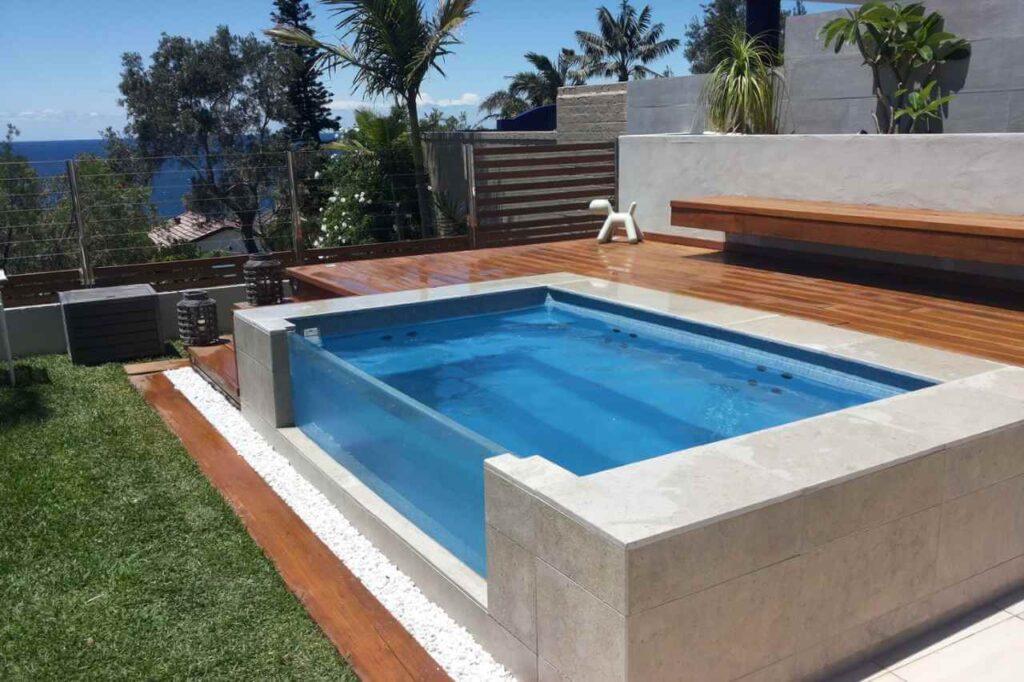
1. Tropical Oasis
Create a tropical retreat by adding lush greenery like palms, ferns, and colourful hibiscus around your aboveground pool. Use bamboo fencing for privacy and a cascading water feature for soothing sounds and visual interest. Choose natural materials like timber or stone for decking and seating to enhance the resort vibe.
Add sun loungers with cushions in tropical colours for comfort and style. Use solar path lights or string lights to keep the area inviting at night. Finish the design with tiki torches, ceramic pots, and tropical accents to create your private paradise.
2. Modern Minimalist
Create a timeless and elegant look with a modern minimalist pool design. Use clean, straight lines for the pool’s edges and surrounding features to emphasise simplicity and order. Select a neutral colour palette, including grey, white, or beige, to suit contemporary outdoor spaces. Install subtle LED lighting around the pool or underwater for a soft glow that highlights the structure without overwhelming the area.
Opt for smooth finishes like polished concrete, composite decking, or minimalist tiles to complete the design. Add simple, functional furniture with sleek shapes to maintain the uncluttered aesthetic, making the pool an understated but striking feature in your backyard.
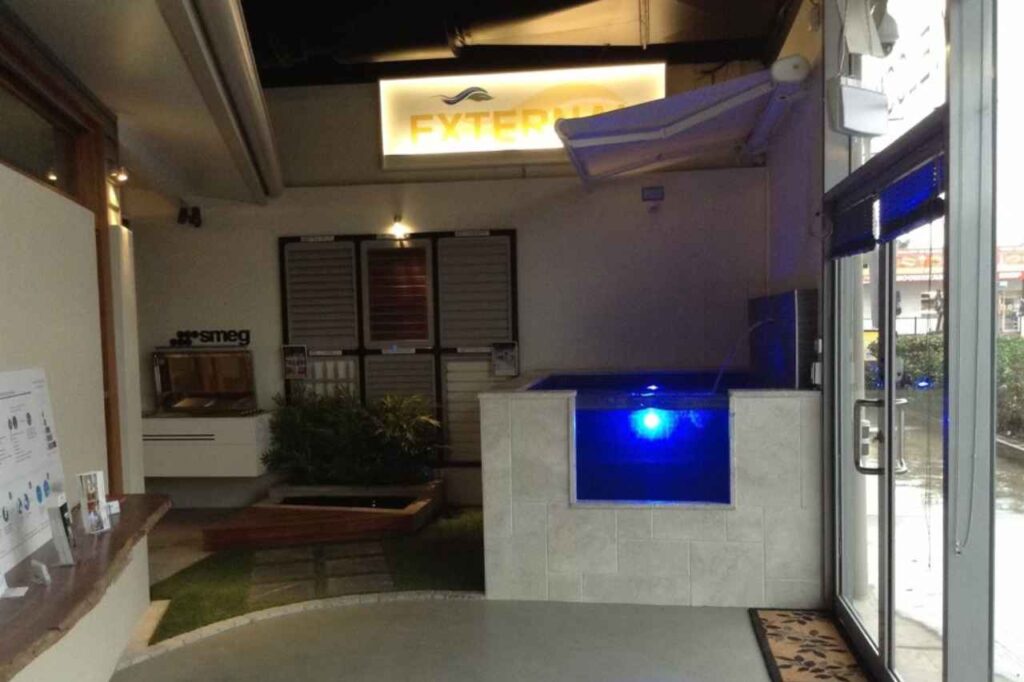
3. Nightlife Vibes
Transform your plunge pool into an evening retreat with a nightlife-inspired design. Install colour-changing LED lights around and inside the pool to create a vibrant and adjustable atmosphere. Add a built-in bar or a poolside counter for serving drinks and snacks, making the space ideal for entertaining. Use reflective materials like polished tiles or glass accents to amplify the light and energy of the area.
Include comfortable seating, such as outdoor lounges or bar stools, to encourage socialising. This design makes your pool the perfect centrepiece for memorable nights with family and friends.
4. Rustic Retreat
Create a warm and inviting space with a rustic design for your fibreglass plunge pool. Use natural materials like timber decking and flagstones to frame the pool and create an earthy aesthetic. These elements blend well with the surrounding environment, adding natural charm to your backyard. Place a fire pit nearby as a focal point, providing warmth and a cosy atmosphere for cooler evenings.
Add rustic seating, such as wooden benches or Adirondack chairs, to enhance the design. Use soft lighting, like lanterns or string lights, to make the area usable and welcoming day or night. This design combines simplicity and nature to create a relaxing and functional retreat.
5. Infinity-Style Edge
An infinity-edge design creates a visual effect where the water appears to flow endlessly into the horizon. This style works well for homes with elevated yards or scenic views, seamlessly connecting the pool to the landscape. The vanishing edge adds a sense of openness and luxury, making the pool a striking focal point.
Pair the design with natural materials like stone or glass tiles to complement the reflective quality of the water. Use soft lighting to highlight the infinity edge at night, enhancing its depth and elegance. This design provides a sleek, resort-like pool that integrates beautifully with its surroundings.
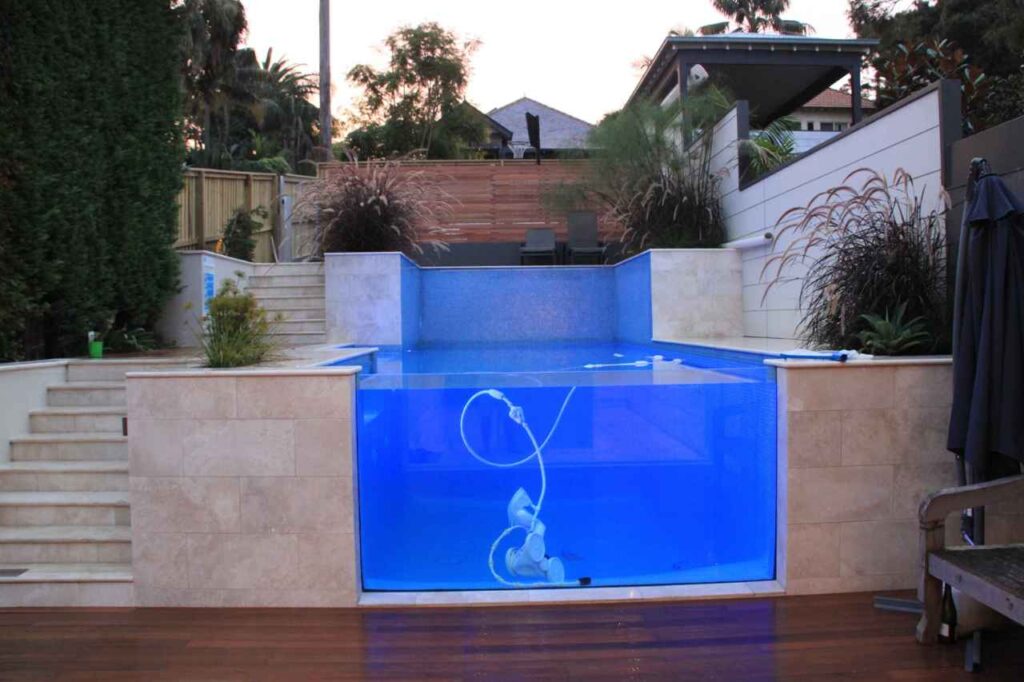
6. Mediterranean Escape
Create a Mediterranean-inspired pool with mosaic tiles in coastal blue or aqua tones for a vibrant interior. Surround the pool with terracotta pots filled with lavender, rosemary, or olive trees to enhance the Mediterranean atmosphere. Use natural materials like stone or clay tiles for the decking to complement the design.
Add a pergola or shaded seating area with light fabric to provide a comfortable retreat from the sun. Complete the space with simple wooden or wrought-iron furniture to maintain the classic Mediterranean charm. This design combines colour and texture to bring the feel of a European getaway to your backyard.
7. Kid-Friendly Fun
Design a pool area that is safe and enjoyable for children. Add shallow wading zones to provide younger kids with a secure space to play in the water. Include interactive features like mini fountains or bubble jets to keep the pool engaging and exciting. Use bright, cheerful colours for the pool’s interior or surrounding areas to create a visually appealing space for kids.
Ensure safety with non-slip materials on the deck and steps. Surround the pool with soft grass or cushioned flooring for extra comfort and protection. This design creates a fun and secure pool area that the whole family can enjoy.
8. Urban Chic
Urban chic designs optimise small spaces by blending style and functionality in Australian aboveground pool landscaping. Add vertical gardens with climbing plants, wall-mounted planters, or green walls to provide greenery and privacy without taking up ground space. Use sleek black or metallic finishes on pool edges, railings, or fixtures for a bold and modern look.
Pair the pool with minimalistic furniture in monochrome tones or metal accents to maintain a cohesive design. Focusing on vertical elements and clean finishes makes compact outdoor areas stylish, functional, and inviting for Australian homeowners.
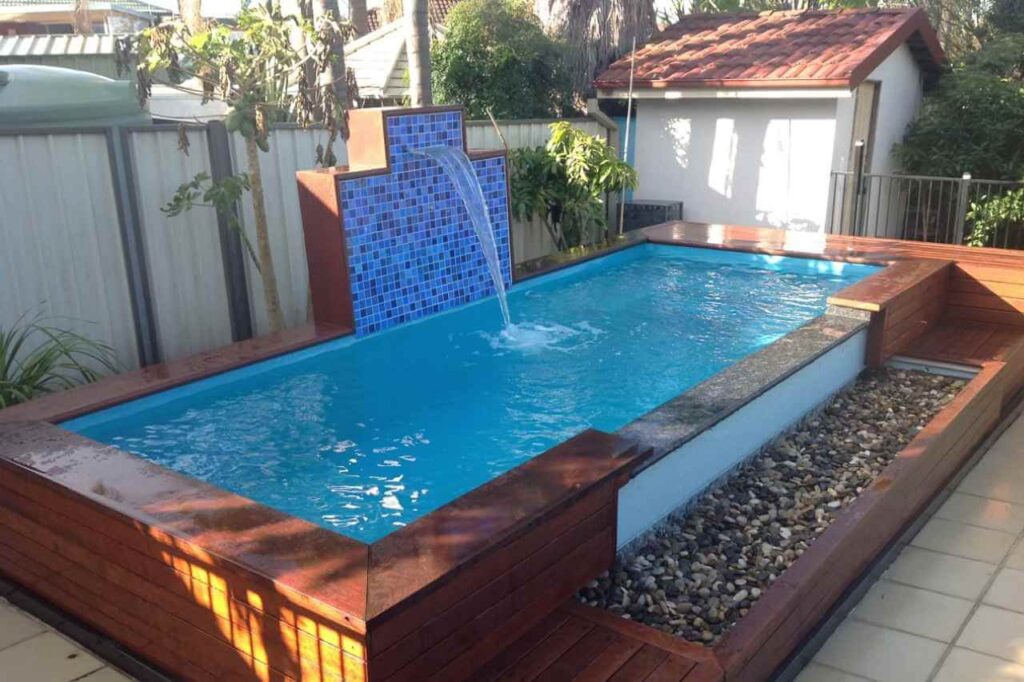
9. Zen Sanctuary
Create a calming retreat with a Zen-inspired pool design. Surround the pool with smooth river rocks and bamboo plants for a serene, natural look. Add a gentle water feature, like a small waterfall or fountain, to introduce soothing sounds. Install a pergola or canopy to provide shade and a comfortable space for relaxing or meditating.
Use neutral colours and materials such as wood and stone to maintain a harmonious atmosphere. Include simple seating or cushioned mats to encourage peaceful moments. This design offers a tranquil escape in your backyard.
10. Coastal Charm
Create a seaside-inspired pool area with a coastal charm design. Use nautical colours like deep blue and white for the pool interior and decor to evoke a classic beachside look. Add seaside accents such as driftwood, seashells, and rope details to enhance the theme. Include a sandy lounge area near the pool with sun loungers or Adirondack chairs for a beach-like experience.
Use light fabrics for shade sails or umbrellas to maintain a relaxed, breezy vibe. This design transforms your backyard into a tranquil and inviting space, bringing the feel of the beach to your home.
11. Integrated Hot Tub Section
Add a hot tub section to your plunge pool for the perfect mix of relaxation and functionality. Include a spa zone with ergonomic seating for maximum comfort. Install jets to provide a therapeutic massage, ideal for relaxing after a long day or soothing muscle tension.
Use contrasting tiles or subtle lighting to define the hot tub area while keeping the overall design cohesive. This dual-purpose pool design offers refreshing dips and warm soaks in one space, making it a luxurious addition to your backyard for year-round enjoyment.
12. Artistic Statement
Turn your plunge pool into a striking centrepiece by making it a work of art. Add unique mosaic patterns or custom murals inside the pool for a visually stunning effect. Choose bold colour schemes for the pool interior or surrounding space to showcase your style and creativity.
Enhance the artistic appeal with sculptural decor, such as abstract statues or geometric planters, placed strategically around the area. Include distinctive furniture, like designer loungers or vibrant seating, to complement the theme. This design creates a backyard space that is visually captivating and leaves a lasting impression on visitors.
Customisation Options for Your Fibreglass Plunge Pool
Customising your pool setup ensures it balances visual appeal with daily practicality:
- Eco-Friendly Equipment: Pair your pool with variable-speed pumps, solar heating, automated pool covers, and smartphone-controlled systems to improve energy efficiency and everyday convenience. Mineral water systems are another popular option, using fewer harsh chemicals while providing water that is gentler on the skin and eyes. These upgrades can help reduce running costs while making pool maintenance easier.
- Shapes and Sizes: Select from compact rectangular models for tight side yards or wider square layouts for open entertainment spaces.
- Interior Gelcoat Finishes: Choose from classic light blue, deep ocean navy, natural sandy beige, or modern grey tones to influence water colour and style.
- Built-in Seating and Hydrotherapy: Incorporate full-length bench seating, corner swim-outs, hydrotherapy jets, or massage seating to create a more relaxing swimming experience. If you enjoy both hot and cold water therapy, consider a hot and cold plunge combination or a spool (spa and pool hybrid) for year-round wellness and versatility.
- Surrounding Decking and Coping: Contrast or match your fibreglass shell with timber, composite boards, natural stone, or tiled surrounds.
Conclusion
Above-ground fibreglass plunge pools offer a smart, adaptable solution for challenging blocks delivering the luxury and function of a permanent swimming pool without the delays and costs of deep excavation. Whether dealing with sloped ground, tight access, or tricky soil, building above ground allows you to work with your site’s natural layout rather than against it.
Modern above-ground fibreglass plunge pools can also be customised with energy-efficient equipment, smart automation, hydrotherapy features, and mineral water systems to suit your lifestyle. Whether you’re creating a relaxing retreat or a functional family space, the right combination of design and technology can improve comfort, simplify maintenance, and enhance your outdoor living experience.
At Plunge Pools Sunshine Coast, we specialise in designing and installing tailored fibreglass plunge pools built for local Queensland conditions. Contact our team today to discuss your property layout and request a site assessment.
People Also Ask Questions
Can a full-size or large fibreglass pool really be installed above ground?
Yes. Fibreglass pools of all sizes from compact plunge pools to large family models can be installed fully above ground or partially inground, provided the base preparation and structural retaining walls are properly engineered.
Are above-ground fibreglass pools as strong as inground pools?
When installed correctly on a prepared foundation, yes. Fibreglass shells are engineered single-piece structures designed to hold water pressure independently of surrounding soil.
Can smart technology be added to an above-ground fibreglass plunge pool?
Yes. Modern above-ground fibreglass plunge pools can be equipped with smart technology to improve convenience, energy efficiency, and everyday use. Homeowners can add smartphone-controlled heating, automated pool covers, app-controlled LED lighting, and variable-speed pumps to manage their pool remotely. These features can reduce energy consumption, simplify maintenance, and make it easier to keep the pool ready for use throughout the year.
Is an above-ground fibreglass pool cheaper than an inground pool?
In most cases involving sloped or difficult ground, yes. Avoiding heavy excavation, rock breaking, and extensive soil removal generally reduces overall site preparation costs.
Do I still need council approval and safety fencing for an above-ground pool?
Yes. All swimming pools in Queensland regardless of installation height must comply with local council planning approvals and Australian pool safety fencing regulations.